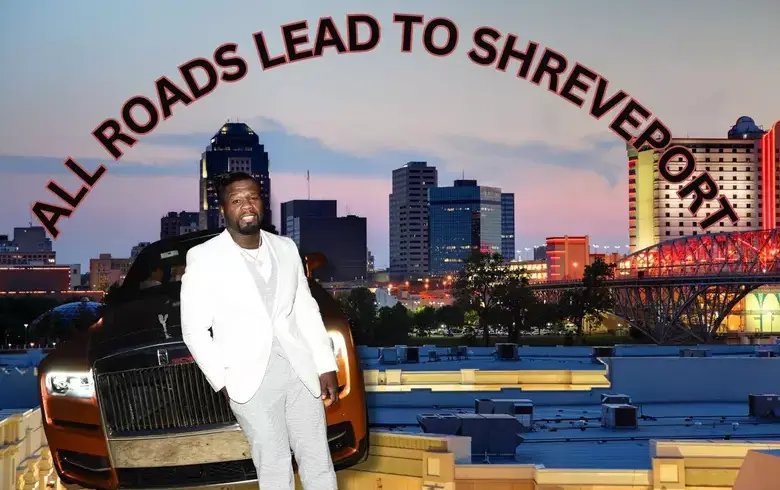
Hip Hop heavyweight 50 Cent has never shied away from speaking his mind, particularly when it comes to matters affecting his brand and investments. Most recently, the iconic rapper and entrepreneur has set his sights—not on the majestic skyscrapers of New York City but on the less glamorous, yet promising lands of Shreveport, Louisiana.
In an unexpected pivot from his New York roots, 50 Cent, whose real name is Curtis Jackson, is advocating for a migration of sorts. Following the tragic shooting of New York Jets player Kris Boyd outside a renowned Manhattan restaurant, 50 Cent took to social media to express discontent with the state of crime and governance in his home state. His message was clear: It’s time to rethink New York City and consider the opportunities lying in Louisiana, specifically Shreveport.
The artist’s comments were made in connection with his dissatisfaction concerning the city’s incoming mayor, Zohran Mamdani, and his progressive policies. 50 Cent’s critique is rooted in Mamdani’s plans for higher taxes on the wealthy and potential defunding of police departments — policies that the rapper warns could drive away those with significant investment in the city.
However, Jackson’s push for Shreveport isn’t solely rooted in criticism; it’s also deeply intertwined with his own business ventures. Over recent years, 50 Cent has been diversifying his portfolio in Shreveport by investing in downtown real estate and partnering with local authorities to create an economic district promoting arts, entertainment, and entrepreneurship. This bold initiative includes a hefty $50 million project, promising to transform the city’s landscape and economy.
This move raises an interesting proposition on the dynamic between celebrities and urban development. 50 Cent, having already executed successful business strategies over his career—from music to television with G-Unit and acting—seeks not only investment returns but to shape the economic fabric of a city desperate for revitalization. The Shreveport plan aims to develop new business opportunities, grow jobs, and cultivate a bustling cultural scene, a direct contrast to New York’s glamour bespectacled with a looming shadow of crime and complex socio-political issues.
To some, this strategy may echo other artists’ maneuvers who’ve become key figures in urban development, like Jay-Z’s Armand de Brignac champagne investments or Beyoncé’s stake in Uber. It’s a trend where musicians expand their influence across cultural, economic, and geographical boundaries, turning artistic capital into long-lasting societal impact.
Yet, the notion of leaving behind the Big Apple—epicenter of music, fashion, and high-finance—for the southern allure of Shreveport, might seem unfathomable to many. The gravity of New York City pulls hard, but the promises of lower taxes, safety, and new business prospects offered by Shreveport are persuasive arguments, especially for those wary of socioeconomic turbulence.
Jackson’s push to bring prominence to Shreveport not only marks a notable chapter in his biography but serves as a statement about the shifting winds of opportunity as traditional business and lifestyle capitals are being re-evaluated. While many might see this as a publicity stunt, for 50 Cent, it’s evidently a calculated business move and a strategic play in his wider game of influence and entrepreneurship in the United States.
As hip hop artists continue to grow beyond their music origins, they reshape the landscapes not only with their culture but with concrete, needle-moving economic initiatives. Whether this gamble will see Shreveport burgeon into a new hub of American culture remains to be seen, but if there’s any indication, 50 Cent’s multipronged approach to business suggests he’s betting consistently and heavily on success beyond the microphone.