Hip-hop: From the Streets to Global Stages
- October 13, 2025
- 0
The article explores the evolution of hip-hop culture from its 1970s New York street origins to its global dominance.


The article explores the evolution of hip-hop culture from its 1970s New York street origins to its global dominance.
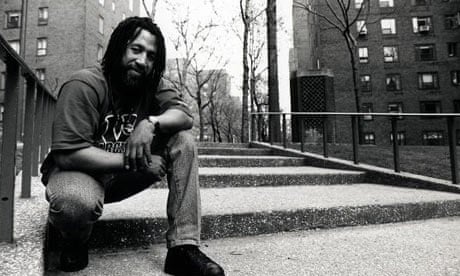
Imagine the 1970s. You are wandering the streets of New York. Distant sounds reach you. As you get closer, you see a crowd of happy people singing strange but captivating songs, dancing peculiarly, and on the wall of a house, there’s something quite incomprehensible but beautiful drawn. Want to join in? Alas, you can’t. Becoming part of the hip-hop subculture was possible for only a certain group of people. Fortunately, it is now 2021, and you can listen to rap as much as you want. You are even free to record an album yourself.
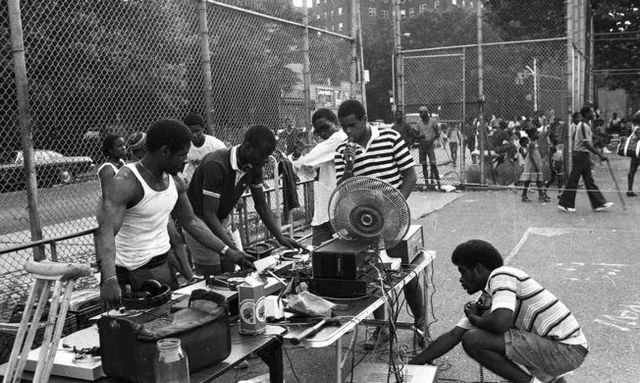
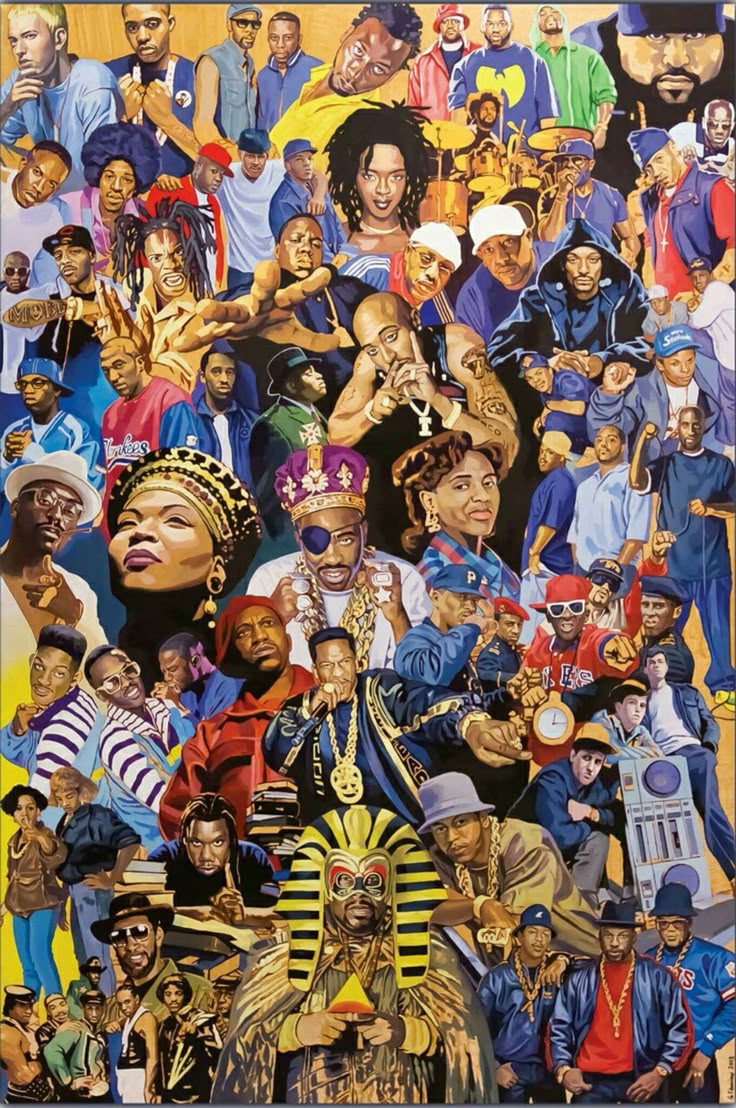
Hip-hop is more than music. It is a movement that includes elements of art such as DJing, rap, breakdancing, and graffiti.
Historically, African Americans constantly faced difficulties and discrimination. Indeed, their lives were not easy; racism was rampant. Racial segregation manifested in various ways — separate schooling, separate seating in transportation, separate restrooms, isolated waiting rooms, clinics for blacks and whites, bans on interracial marriages, and more. This was the harsh reality of the 1960s.
The next decade was also not simple: deep economic crisis, changes in political life, generational conflict escalation, rising crime and violence. However, there were good changes too — the blossoming of the African American civil rights movement. Their voices were heard, and life improved as they were no longer treated with disdain.
Hip-hop is an African American culture that originated on the streets of New York in the 1970s. Young people needed new ways to communicate and express themselves, so they took to the streets and started to unite. The movement spoke about the negative side effects of post-industrial society. It is believed that hip-hop has precise birth coordinates: 1520 Sedgwick Avenue, Bronx, New York.
The artist had to study the history of society, schools, the city — what he was going to talk about in his tracks. All this had to be presented without dullness but with creativity and rhyme. To tell the world who you are and where you are from.
Abandoned buildings and parking lots were perfect places for mass events. Boomboxes served as speakers for music, sheets of cardboard represented dance floors, and brick walls were canvases for graffiti. Walking with loud boomboxes was a ritual and a challenge to society. Hip-hop turned despair into creativity and became a means of fighting against violence, inequality, and injustice. Initially, people would simply turn on some beat and start improvising (rapping). You couldn’t buy albums, and you couldn’t hear hip-hop on the radio. The only way to become part of the movement was to get hold of a tape passed from hand to hand all over the city.
Clive Campbell is the father of hip-hop. At the age of 16, an immigrant from Jamaica taught himself to mix funk records with two turntables and a mixer. In 1973, he debuted what would eventually become one of the foundations of hip-hop. His sister organized a concert in the South Bronx to raise money for school clothes. He decided to perform there and try something new: instead of mixing tracks again, he made loops (loops) from breaks over and over. The crowd was just exhilarated. His trick is considered one of the best musical techniques of the 20th century.
This changed the attitude towards technology; producers were inspired to create new songs using samples. He also helped develop rap: inspired by Jamaican traditions, he spoke rhymed phrases over a beat to excite the crowd. He was called Hercules (perhaps because he carried a bunch of records). Hence, he got the idea to take on the stage name DJ Kool Herc.
Another influential hip-hop figure is Afrika Bambaataa, also known as “The Godfather”. He was a DJ, music producer, and organized parties in the Bronx in the late 1970s. Moreover, he helped young people reform and leave a life of violence. In 1982, Africa, together with Soul Sonic Force, released one of the most influential hip-hop songs — “Planet Rock”. The innovation lay in creating electronic sounds instead of funk beats.
Gradually, hip-hop shifted from the underground to the masses. The genre flourished in the mid-80s during the so-called “Golden Age of Hip-Hop”. Records such as “It Takes A Nation of Millions To Hold Us Back” by Public Enemy and Erik B & Rakim’s “Paid In Full” emerged, which remain mascots of rap culture to this day.
This was an explosion of diversity, influence, stylistic innovations, and mass success. Record companies recognized this genre as a new trend and began investing in it. The next generation of hip-hop producers had access to more advanced equipment, which took hip-hop to a new level.
A key feature of the “Golden Age” was the use of samples. At that time, copyright laws did not protect music from sampling, so artists could use samples from various sources without issues. Rap also evolved: performers addressed more issues, and lyrics became filled with metaphors and analogies. The musical component also changed — it became more complex and multilayered.
In 1986, the trio RUN DMC combined rap and rock. Together with Steven Tyler, they recorded a cover of Aerosmith‘s “Walk This Way”. This hit conquered the radio and further popularized hip-hop.
Heroes of modern tracks mostly no longer talk about problems but rather boast about their achievements (playing gangsters and bad guys), wealth. They are bold and stylish, and it’s no longer necessary to rap brilliantly: it’s trendy to shout strange sounds, like “brrrrra”. Creating music has also become simpler, so anyone with a good computer and microphone can record a song.
Currently, the hip-hop subculture is still in its prime. In 2017, this genre became dominant in the United States, surpassing rock.
Initially, visual art was not associated with hip-hop. Similar drawings appeared in the USA back in the 1920s and served various functions (for example, marking freight cars). Until journalist Richard Goldstein linked graffiti with rap in 1980. Such actions by artists were illegal — young people painted in subway cars, on building walls, fences, cars, and more. Artists came up with pseudonyms and wrote them with unusual letters on the streets. The more people see it, the better. It was a kind of self-promotion. People learned about new rappers, gatherings, and dance battles. Since then, many directions and styles have appeared, which can be seen not only on various objects but also in music videos. However, debates still rage around whether it’s art or vandalism?
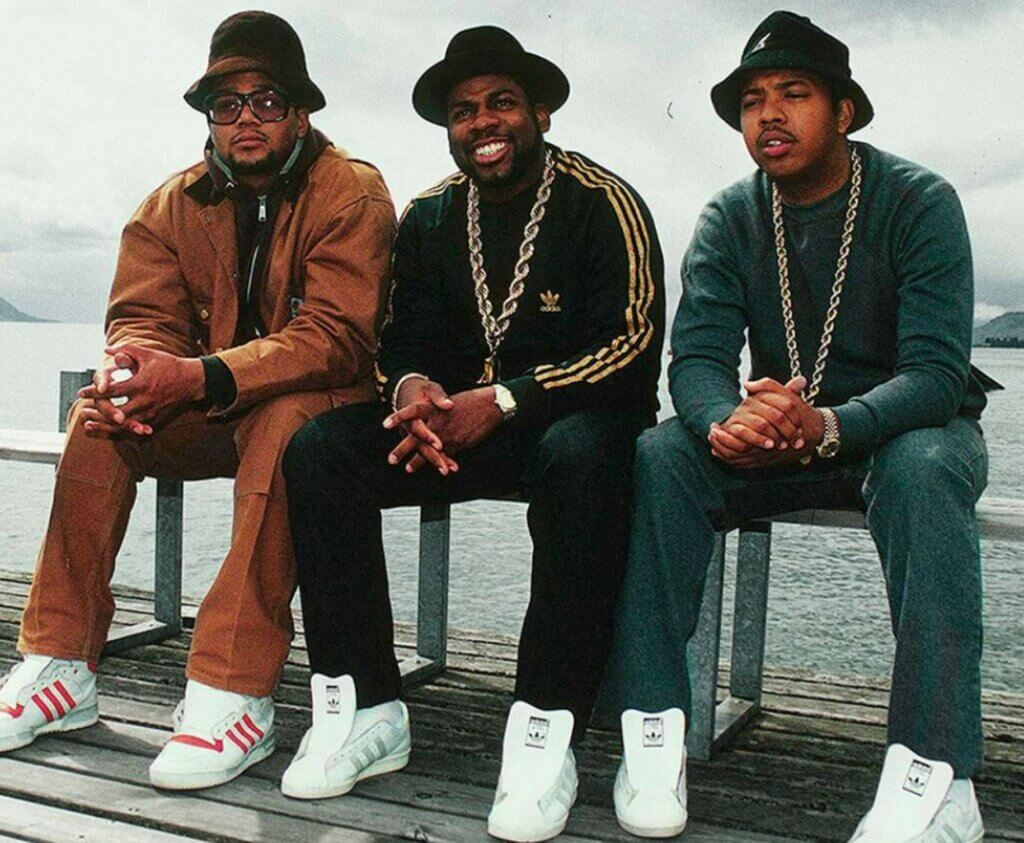
Not only music and graffiti promoted hip-hop. Clothing, shoes, accessories, hairstyles — everything became a form of self-expression.
Run-DMC were among the first to introduce the world to street style. They wore athletic clothes and Adidas sneakers, hats, watches, and large gold chains. This became the signature style of the rap trio, inspiring thousands of people to bold, crazy looks. In the late 80s, the direction of hip-hop reflected African American culture, so dreads became fashionable. KRS-One, for example, almost always wore such a hairstyle. Bright colors in clothing, specifically red, yellow, black, and green, were also popular, symbolizing the nationalist movements of African Americans.
The youth had their own manner of communication. Street slang “Ebonics” was in vogue. It was a kind of African English: words were given a new meaning, grammar and pronunciation were changed, which acted as a sort of cipher. The rich and others not in the know had no idea what was being said. For example, “What’s up” became “waddup”.
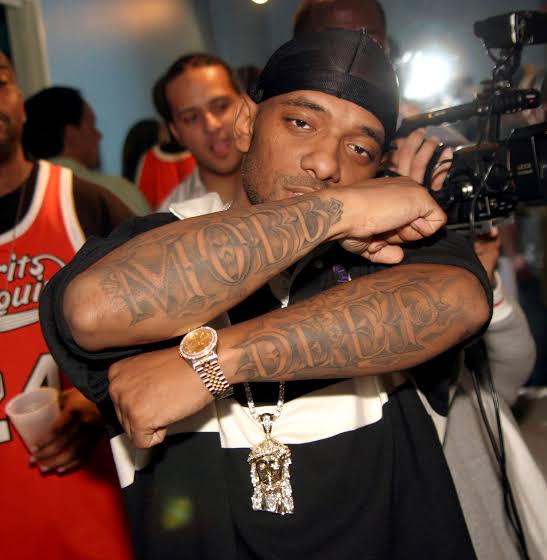
These days, showing off is more important than money. Modern style requires only wearing expensive brands like Off-White, Gucci, Vetements, Balenciaga, and others. Moreover, there are no style restrictions: if earlier rappers were associated with baggy pants, hoodies, and sneakers, now they can be seen in Total black, leather jackets, t-shirts with rock bands, or even in suits. Rings, chains, watches, and other jewelry are worn without hesitation — the more, the better. And the cherry on the cake — tattoos and piercings, which also came from African traditions but now hardly surprise anyone.
As African Americans continue to fight injustice, sometimes they perceive any appropriation negatively. For example, many scandals have arisen when foreign artists performed in hip-hop style and sported dreads or wore du-rags (a bandana worn by African Americans) — they were accused of cultural appropriation.

Breakdance is the most popular type of street dance, conveying the harsh world of urban streets. It incorporates a variety of movements, including those from martial arts and gymnastics. Mostly improvisation, there are no universally accepted gestures. Emphasis is placed on energy and the element of danger. This style of dance is also associated with a specific form of clothing: baggy trousers, sports sweatshirts or t-shirts, caps worn sideways or backward, and comfortable sneakers. The dancers themselves are called B-girls and B-boys. You might be surprised, but Michael Jackson and his “Moonwalk” originated from hip-hop. Michael helped unite East Coast breaking and West Coast street dance, which was part of African American subculture. Thanks to him, this direction reached a wide audience. Music videos and live performances were not without fiery breakdancing. Dance has had a huge impact on modern styles, and even the International Olympic Committee approved breaking as a sport for the 2024 Paris Olympics.