Kanye West’s Malibu Mansion Dream Meets Real-World Challenges
- March 4, 2026
- 0
Kanye West's $57M Malibu mansion project is under legal scrutiny, with a lawsuit revealing unconventional ambitions and the challenges of celebrity-driven design.


Kanye West's $57M Malibu mansion project is under legal scrutiny, with a lawsuit revealing unconventional ambitions and the challenges of celebrity-driven design.
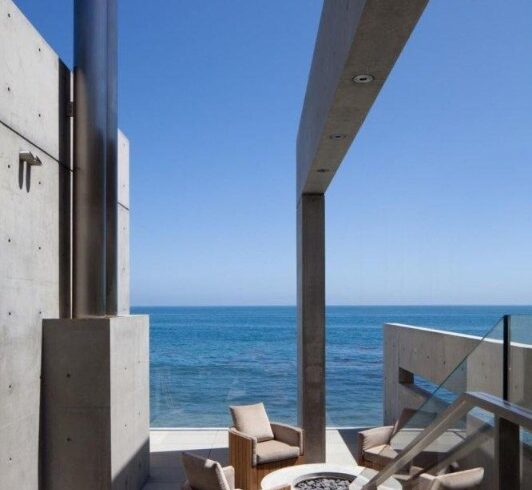
In the world of hip-hop and celebrity, Kanye West, known now simply as Ye, has been pushing the boundaries of not just music but living spaces. Recently, Ye’s ambitious plans for a $57 million Malibu mansion have found their way into the spotlight, not because of design but due to legal battles and eyebrow-raising testimonies.
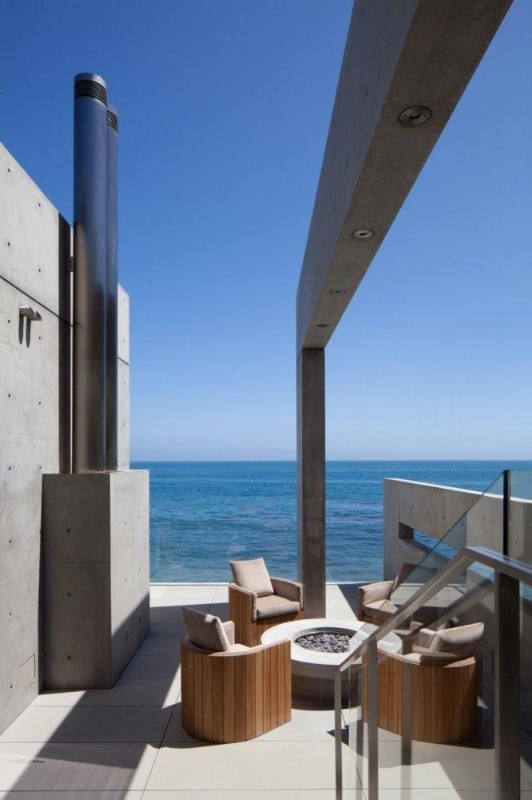
The setting for this unfolding drama is a luxurious Malibu property intended to be more than a home. Originally conceived by the esteemed Japanese architect Tadao Ando, the residence was reputed to be “immaculate” and “bitchin,” according to testimony from Jeromy Holding, a handyman on the project. Notably, this isn’t the first time Ye’s projects have captured attention for their audacity, but the current press isn’t likely what he was aiming for.
The project’s altered path became public when Tony Saxon, the former project manager, filed a lawsuit against Ye, citing workplace injuries. Amongst the mix of claims, the vision Ye had for his home has raised questions. According to testimonies, the artist’s plans were far from ordinary. Ye purportedly envisioned converting the high-end mansion into an off-the-grid living space, complete with unconventional utilities like a system to turn bodily waste into usable water.
Ye’s ambition, however, ran into multiple obstacles. Saxon’s lawsuit delineates a working environment high in stress and low on permits—specifically, the project allegedly moved forward without the necessary permissions, ignoring likely long waiting times imposed by the California Coastal Commission.
The hearing exposed more than just the bureaucratic frustrations. Saxon described direct confrontations with Ye, including situations where he was instructed to dismantle power sources without the notification required for safety. He explained how Ye was upset when power remained in the house, despite supposedly having instructed its removal. The clashes escalated to the point where Saxon was supposedly threatened by Ye, who warned non-compliance would render Saxon an enemy, comparing him to the Kardashians.
Supporting these allegations, Jeromy Holding testified about Ye’s often “nebulous” direction, describing an atmosphere fueled by shifting and unrealistic demands. He humorously recounted a case of mistaken identity with Kim Kardashian that almost cost him his job. More gravely, he detailed his witnessing of Saxon working through pain after suffering injuries on the job.
Interestingly, Ye’s attorney paints a different picture, describing Saxon as an unlicensed contractor who may have been in over his head, implying that Saxon’s injuries and job setbacks were results of his own lack of qualifications. This characterization, however, stands in stark contrast to Saxon’s claim that he was being directed to execute Ye’s unconventional vision against more grounded advice.
At the heart of this trial is a reflection of the sometimes chaotic collision of celebrity ambition with real-world constraints. While Ye’s plan might have been shaped by his distinct artistic vision—one that challenged conventional architecture and living—it also highlights the difficulties of translating such dreams into reality without due process and professional accountability.
The trial holds broader implications, especially considering Ye’s high-profile life and frequent controversies. In the wake of his public struggles, including numerous lawsuits and headlines stemming from controversial statements, this case serves as another narrative thread about the complexity and unpredictability that often follows Ye’s creative adventures.
As the trial continues, the proceedings provide an intriguing look into both the challenges faced by visionaries and the systems in place that both enable and restrict their ambitions.