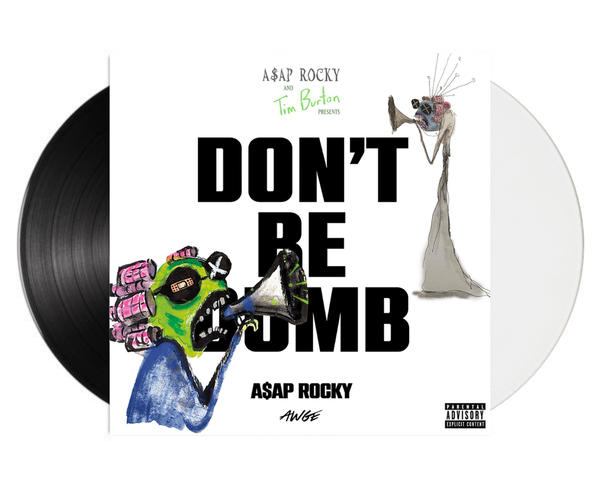
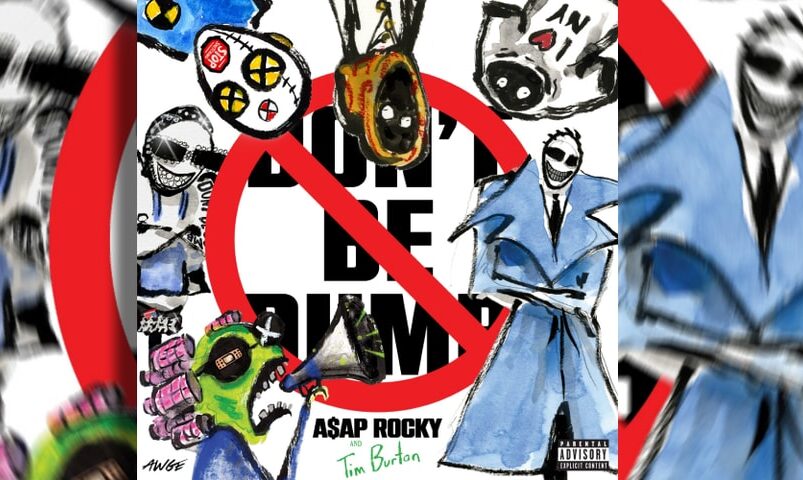
A$AP Rocky’s much-anticipated album, Don’t Be Dumb, was initially expected to make a massive splash upon its release, with projections forecasting first-week sales of over 200,000 units. This would have solidified Rocky at the top of the charts, riding high on a wave of album hype bolstered by inventive vinyl sales strategies. However, recent recalibrations paint a different picture, one that has not entirely lived up to the early forecasts. What does this mean for A$AP Rocky and his standing in the hip hop ecosphere?
Flashback to earlier this month, industry insiders and fans alike were abuzz with the impressive projected numbers for Don’t Be Dumb. With 130,000 vinyls reportedly sold—a figure tied to Rocky’s savvy merchandise strategies—analysts quickly projected a chart-topping debut powered by combined physical sales and strong streaming figures. Yet, as initial numbers began trickling in, it became clear that a portion of the vinyl sales might not be counted toward this week’s tally due to shipping delays. Consequently, the initial rosy projections were adjusted down to approximately 119,000 total units.
This readjustment raises some poignant questions: Are physical sales more volatile than once thought? And how can artists better manage expectations in a digital era where streaming boasts more consistency?
Despite these hiccups, it’s essential to underscore that selling 119,000 units is by no means unremarkable. For any artist, these records would comfortably signal a robust debut, underscoring Rocky’s intrinsic appeal and artistic clout. Nevertheless, falling short of initial projections often colors public perception—inviting critics and fans alike to dissect what went wrong.
Looking more closely at the vinyl strategy highlights A$AP Rocky’s forward-thinking approach, weaving collectibles into the album rollout. These vinyl sales, even if delayed, represent a substantial aspect of modern music marketing as artists attempt to bridge the nostalgia of physical formats with contemporary demand. Unlike the streaming juggernaut, vinyl sales foment a tangible connection for fans, providing both an emotional and sensory experience.
Underneath the sales numbers and projections lies a larger narrative about the dynamics at play in contemporary music dissemination. Artists increasingly operate within a marketplace where digital streams compete paradoxically with physical sales, the latter requiring logistics that sometimes hinder immediate gratification.
As for Rocky, his immersive marketing tactics, including alternative covers, engaged both collectors and casual listeners. This approach reflects a burgeoning aspect of today’s music industry landscape, where just pivoting on expectations can streamline fan interactions long-term, even if initial commercial performance requires reassessment.
Moving forward, A$AP’s fans need not despair. With an impending world tour lined up to further promote Don’t Be Dumb, the potential for sustained album interest remains promising. These upcoming performances might catalyze a boost in album sales as more vinyl records reach their destinations and hardcore supporters experience the album’s vibrant tracks live.
Moreover, the atmospheric shift in the industry suggests there’s much fluidity in chart positions week to week. Today’s second-place finishes could very easily become tomorrow’s top spots, thanks in part to enduring fanbases and cultivating live engagements through tours—not to mention, the undeniable pull of Rocky’s charismatic persona.
In summarizing, while the adjusted sales figures might initially seem discouraging for Don’t Be Dumb, they are but a snippet of a broader tableau where A$AP Rocky remains a potent force. Embracing this multi-layered journey from album launch through global tour can serve as a rich contribution to the constantly changing beats of hip-hop’s drum.