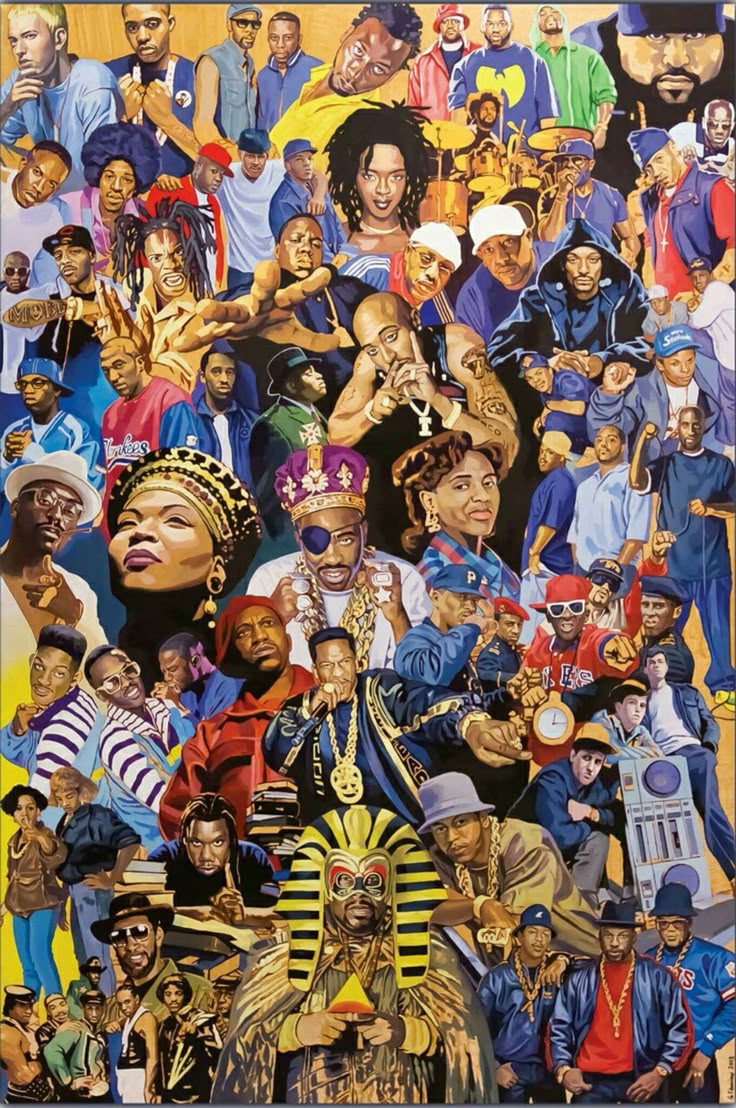
Hip hop has always been more than just music. From its inception, it fused rhythm and poetry to express the challenges and triumphs of African-American life. Yet, as the genre ascended from street corners to the global stage, it became increasingly embroiled with the legal system, leading to some of pop culture’s most notorious trials.
At the heart of hip hop’s trials and tribulations lies the controversial use of rap lyrics as evidence in court. Critics argue that interpreting artistic expression as literal intent undermines free speech. Yet, for over three decades, the courts have scrutinized verses to establish criminal motives. Cases like those of Snoop Dogg in the ’90s exemplify this, where his courtroom drama captivated audiences worldwide. Acquitted of murder charges in a trial heavily documented by the media, Snoop’s case was a juncture in both his life and hip hop culture, marking a poignant point where music met the law.
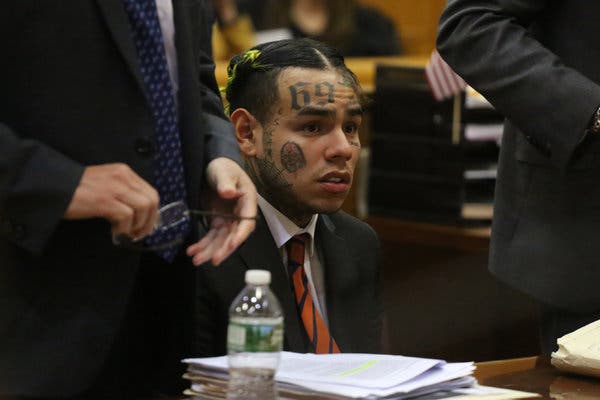
The trials of hip hop figures often become media circuses, with televised courtroom proceedings and social media breakdowns replacing traditional court sketches. Recent trials are not only analyzed in news articles but also debated in real time across social platforms, making the courtroom a spectacle itself.
Looking back, the history of hip hop is littered with court cases that have not only impacted individual careers but also shaped public perception of the genre. One cannot forget the fateful bank robbery that involved Steady B and Cool C, two Philadelphia rap pioneers from the late ’80s. Their fall from grace in a 1996 botched heist, which resulted in the death of a police officer, stands as a stern reminder of how life’s decisions ripple through time, reshaping legacies and careers. For Cool C, it led to a death sentence, while Steady B faces life behind bars, effectively sealing their fates and narratives in the annals of hip hop history.
Similarly, Remy Ma’s career hit a significant hurdle with her 2007 arrest for assault and weapon possession following an altercation that derailed her ascent in the rap world. Serving six years in prison during a pivotal time in her career represented a significant interruption, yet her case is a testament to resilience in hip hop’s challenging journey.
The trial of Boosie Badazz further exemplifies the criminal justice system’s entanglement with the hip hop industry. Accused of murder in 2009, Boosie faced the death penalty before his eventual acquittal – a verdict met with celebration throughout hip hop circles. His trial was more than a legal battle; it involved a cultural rallying cry for justice.
Another case that gripped the hip hop world was C-Murder, an artist deeply interwoven with the New Orleans rap scene. Accused and convicted of murder twice, his legal appeals continue to fuel national intrigue, demonstrating the complexities and prolonged nature of justice as it intersects with celebrity.
In more recent years, YNW Melly’s ongoing legal battles highlight the current generation’s ongoing struggles with the justice system. Melly, whose career skyrocketed with chart-topping hits, became embroiled in a high-profile murder case that remains unresolved as a retrial looms.
While some of these trials culminate in exoneration, others end in conviction, each leaving indelible marks on the cultural fabric of hip hop. From the Black Mafia Family’s criminal exploits and their subsequent grasp on hip hop culture to the politically charged obscenity trials of 2 Live Crew, these stories illustrate the multifaceted relationship between hip hop, society, and the law.
In sum, these trials underscore an ongoing narrative: hip hop is both a form of resistance and a target, a genre scrutinized for its raw portrayal of life yet celebrated for its authenticity. As artists like Young Thug and entities like Murder Inc. navigate complex legal waters, they mirror broader societal conversations about power, race, and artistic freedom. The question that remains is how the next chapter in hip hop’s legal saga will unfold and who will pen its narrative.