1900Rugrat and the Drake Controversy: A Look into the Alleged Beat Theft
- May 18, 2026
- 0
Florida rapper 1900Rugrat accuses Drake of using his beat without consent. This raises questions about creative ownership and industry ethics.


Florida rapper 1900Rugrat accuses Drake of using his beat without consent. This raises questions about creative ownership and industry ethics.
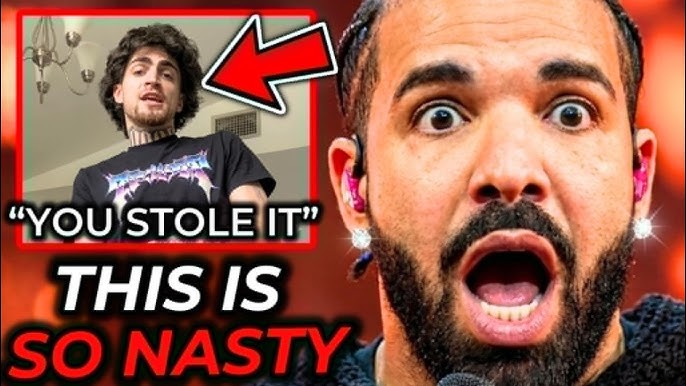
In the ever-evolving landscape of hip hop, where innovation and creativity are celebrated, allegations of plagiarism can shake the foundations of artistic credibility. The recent accusation from burgeoning Florida rapper 1900Rugrat against the globally-acclaimed Drake has stirred the pot, prompting discussions about artistic integrity and influences in the music industry.
At the heart of this controversy is 1900Rugrat’s claim that Drake, or someone in his production circle, appropriated the beat from Rugrat’s track “Intro” for Drake’s song “Little Birdie” on the album ICEMAN. This accusation has been met with a flurry of mixed reactions, especially given Drake’s towering presence in the music industry.
To understand the gravity of this situation, it’s crucial to delve into the profiles of both artists involved. 1900Rugrat, hailed as one of the hottest talents emerging from Florida, made waves with his debut project Porch 2 The Pent. This project showcased his raw talent and potential, catching the attention of many, including the Toronto superstar, Drake.
Drake, whose influence in the music industry is unparalleled, has been a trendsetter since his debut. His ability to traverse genres and bring together different musical elements has defined his career. However, this isn’t the first time Drake has faced accusations of “borrowing” from lesser-known artists. The hip hop community remembers previous instances where similar allegations were raised, sparking debates about the thin line between inspiration and appropriation.
1900Rugrat’s accusations are backed by alleged direct messages with Drake, showing conversations about unreleased music. Rugrat claims that he shared music with Drake almost two years ago, which included the controversial “Intro” track. He recounts that Drake was interested in using the beat but was denied access by Rugrat himself. Fast forward to the release of ICEMAN, Rugrat claims to recognize his beat re-pitched and used without his consent.
The heart of the controversy lies in understanding whether the beat was indeed “borrowed” or if it’s a case of coincidental similarity. Beat sharing and sampling are complex subjects in music production, often leading to intricate legal and ethical debates. In this scenario, the similarity between Rugrat’s “Intro” and Drake’s “Little Birdie” has fueled discourse on online platforms, stirring fans and critics alike.
Drake’s camp has remained notably silent on the matter, leaving fans and industry watchers speculating about the potential outcomes of these allegations. The silence is reminiscent of the hip hop culture’s history, where direct confrontations and diss tracks often address such disputes. It raises the question: should Drake respond to uphold transparency, or does engaging give undue credibility to the accusation?
This situation highlights the broader discussion around young artists protecting their work within a competitive industry. For Rugrat, this allegation is more than just a claim – it’s a testament to the struggles many emerging artists face when their work is overshadowed by established names.
Moving forward, fans and critics will be keenly watching how both parties address this issue. Will there be an acknowledgment of influence, compensation, or collaboration? Or will this end as another case of murky attribution in hip hop history?
Ultimately, the controversy around “Little Birdie” and “Intro” serves as a reminder of the importance of acknowledging influences and respecting the creative outputs of all artists, regardless of their stature in the industry.