25 Years of Perfection: Best Hip-Hop Albums of 1994
- October 14, 2025
- 0
This article reflects on the best hip-hop albums of 1994 to celebrate their 25th anniversary. It underscores the creative explosion in hip-hop during that year.


This article reflects on the best hip-hop albums of 1994 to celebrate their 25th anniversary. It underscores the creative explosion in hip-hop during that year.
1994 was an extremely productive year in hip-hop. Several people, who today are in the select circle of undeniable legends of the genre, released their debut albums in 1994. Dozens more albums contributed significantly to the strengthening and development of the styles they represented, and many initiated new trends in hip-hop. Several releases became multiplatinum, which is quite a feat even today. Finally, some of these were introduced to today’s luminaries of the genre, then still young troublemakers, forming the basis of today’s musical fashion. The purpose of this treatise is to provide a clear guide to all the major releases that celebrate their 25th anniversary in 2019 and that captured the atmosphere and spirit of that time most accurately.

The duo’s fourth album Guru & DJ Premier is their most hard-hitting and schematic work. Its mood does not at all align with the tolerant jazz-filled music of previous albums. At that time, this record was a powerful departure from a soft jazz-rap group into the field of aggressive hip-hop. The tone is set by the very first words, cynical yet raw, spat out in Guru‘s unmistakable monotone voice: ‘To all young people who want success — this shit isn’t easy at all. If it’s not meant for you, then, damn it, it’s not meant for you.’ Today, Hard To Earn sounds archaic, but it strictly holds its idea and style: Guru reads with swagger, as if giving a spontaneous sermon on maintaining masculinity and personal pride; Premo uses choppy jazz samples like wedges, driving them into the thickness of his signature rough beats. Hard To Earn can be considered a starting point for studying the musical heritage of DJ Premier at different stages of his career. The album allowed Gang Starr to enter the territory of ruling industry gangsters at that time without losing their own style and face, giving each member the opportunity to develop their solo work and prepare the ground for their next, most successful album. Recommended for those devoted to the strict New York sampling school, who need a perfect male album about confidence and ruthlessness, without choruses and slow songs, and almost no guests.

The star time of these screamers and friendship with DJ Premier were still ahead, but their boys received their first strike toll. Back then, Mash Out Posse and their beatmaker DR Period brought with them the untouched aggression of Brownsville‘s dirty backstreets — a place where rap talents are born on a conveyor. Today, To The Death is perceived as blunt, monotonous, and beautifully cold steel rap with bloody wounds, the best tool to spoil the appetite of rap romantics and sweet singers. The power of the MOP members and testosterone pouring from everywhere put them on par with such hoarse-throated rap participants as Onyx members and young Busta Rhymes, while their brilliant chemistry in handing the microphone to each other three times per line turned out to be unparalleled. Especially recommended for basement gym sessions and guy gatherings with vodka and fights. Yeah, we like it raw!!!

Being a young idealist, 20-year-old Nas crafted each song of his debut as a sketch of his aspirations and convictions, as if read from the margins of his notebook of poems. The album was thoroughly impregnated with the worldview of a young hooligan growing up on the streets of Queensbridge, yet each line simply could not hide the level of intellect and wisdom not characteristic of Nas‘ age or position at that time. From an ordinary wide-legged wanderer, the listener did not expect lines like ‘I never sleep, ’cause sleep is the cousin of death.’ The author generously filled the album with apt details of the ugly reality — crack trade, dirty poverty, and snipers on the rooftops of skyscrapers. Today, the album is seen as an alphabet of ’90s sample boom-bap, completely sterile from the conscious simplification of the lexicon and mainstream musical moves. By will or unwillingness, the album’s producers, who turned out to be the cream of that time’s New York hip-hop (DJ Premier, Pete Rock, Large Professor, Q-Tip), provided Nas with their best products of their entire careers — thick East Coast hip hop with steady beats, airy jazz samples, and light cherries like saxophone in Life’s A Bitch. The artist surely hoped for more success than he initially got (it took the album two years to go gold and a whole eight years to platinum), so in subsequent works Nas slightly wavered from side to side. Undoubtedly the most ‘surviving’ of all 1994 releases, this short opus is quite enough to consider Nasir Jones the main poet of his time, and he subsequently released a whole dozen quality records and remains active to this day. Recommended listening to everyone since there are few 25-year-old albums still so often and pleasingly quoted today. Play me at night, they won’t act right, The fiend of hip-hop has got me stuck like a crack pipe.

From the depths of Atlanta, two intriguing teenagers Dre & Big Boi emerged with wonderful southern accents and a nimble flow. The guys turned out to be surprisingly well-armed with slow ‘Cadillac’ music, mixed with soul and R&B, with sparkling keyboards and saxophone melodies and standard 808 Roland basses from the producer trio Organized Noize. The guys chose the image of playas, confident favorites of women with guns lying under the convertible seat for a convenient occasion. The image was so unusual and attractive that the band’s fans would be perfectly satisfied if OutKast followed it throughout their career, but the duo eventually flew into space for even greater commercial success. Therefore, the album is unique as a set of platinum-rich detailed relaxing beats on live instrumentals and complex southern-style gangster rhymes, and now, knowing their entire repertoire, it is even more surprising to listen to these grotesque dressed-up bandit origins. A large dose of pleasant soul vocals on a rap album was also a novelty for that time. Recommended to anyone who needs deep bass, arrogant rap, and a beautiful chorus.
The debut album of the main protege of the Gang Starr duo is entirely produced by DJ Premier, and if you consider his music free from pop ‘water,’ then this album is just a sack of dry crackers. Primo created rough, abrasive even for 1994 sound with irregularly nailed samples and sandpaper beats. He chose samples as far away from positivity and unambiguity as possible, breaking them into abstract pieces. In such a basement atmosphere, the commanding baritone of mic destroyer Jeru drew the image of a world-perceiving Afrocentrist, who knows exactly that the end will come for everyone. However, behind the inflated person, you can easily see an intelligent and perceptive positive person without a hint of mindless gangster aggression. 25 years later, the album looks like a reserve of underground grating hip-hop under vinyl dust. Especially recommended for English learners — Jeru owns the best diction in all of hip-hop and a baritone voice.

A young DJ and producer, who had been friends with and making music with Snoop Doggy Dogg since childhood, began his solo career due to the success of the ‘Regulate’ single. This pleasant, unobtrusive album, sized like a modern EP, revealed a new side of gangsta rap — emphasis not on shooting and threats, but on relaxation and joy from life under the hot California sun. Warren turned the soft and smooth hip-hop regulator to the maximum — every melody flows and stretches like condensed milk, thanks to successful borrowings from funk and soul and original tunes with a thick layer of brand California adhesive whistling. With a satisfied and sly voice, the artist half-sings stories from youthful street days, generously giving microphone time to his ward MCs. Today, it is pleasant and warm to listen to G-Funk Era again, rhymes might confuse someone with their simplicity, but for therapeutic beats, everything can be forgiven. With this album, Warren created a subgenre in gangsta rap in half an hour and took 4 platinums without the help of loyal friend Snoop and big brother Dr.Dre. G Funk, where rhythm is life and life is rhythm.

An amazing release — a multi-platinum EP. This was the first chance for the Cleveland quintet, surfaced thanks to one of the fathers of gangsta rap Eazy-E, to show the world their unique singing style. They managed to impress both music aggression lovers — through relentless depictions of street life struggle, and soft R&B approach lovers — through slow elongated sketches by musical mind DJ U-Neek. Not as authentic as their main album released a year later, but the vocal chemistry among the band members is already impeccable, and the still-living Eazy-E is present. In 2019, this EP looks like a dinosaur not very fitting yet completely unique. Perhaps due to this anticipation, they had multiple platinums and a Grammy in 1997.
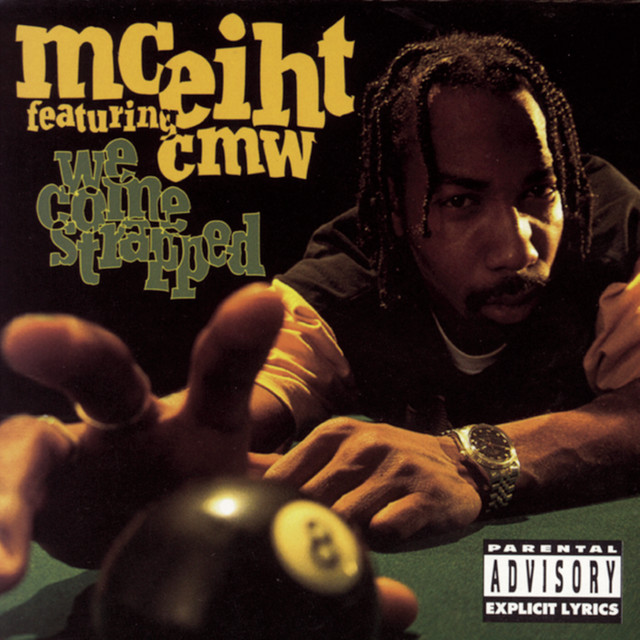
MC Eiht was the frontman of the CMW trio from Compton, their sound was sampled old-school, while this solo project turned out for 1994 to be very new, almost sampler-less. A long keyboard trip through Cali’s weed-filled alleys, for some reason not repeated either by Eiht himself or others, recorded like in one day only, so homogenous in sound, chamber and durable. Musical support — soft and slow grooves (with rare aggressive exceptions) with non-childish basslines. MC Eiht shoots tens of no-gooders at the microphone, flees from chases, spills his blood, and makes revenge plans, getting distracted between songs by relaxed talks and joints. A perfect product of uncompromising gangsta-rap charged with spicy featuring spice of Spice 1 and Redman. 25 years later looks like a monument of former West Coast power when every sound became a gem. Recommended for all classic California fans and those who want to know where Kendrick Lamar’s sound roots.
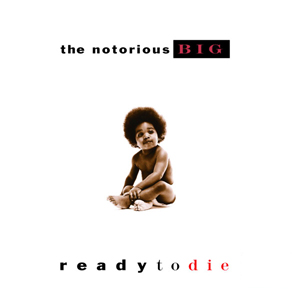
Hip-hop is full of multi-platinum albums with hit singles, but complete literary works, fatalistic, shock-inducing — very few. A young drug dealer caught by future showbiz magnate Puff Daddy became a star before his first full release. On his debut album, Biggie was able to paint a full cinematic picture of the life of a young ambitious gangster from the streets of New York, who tried all ways to escape to the top, achieved his goal, enjoyed the fruits of success, but ultimately cuts his life short at the height of depression. Straight and dry sample beats from Easy Mo Bee and The Hitmen served only as a base for this bright, perceptive and in all senses large man to express. Seldom does an MC tell their dark stories as truthfully and ruthlessly as Biggie, and in 1994 this punched unfamiliar ears like a hammer. Feel that power too: begin with the impressions of a young bandit just released from jail in Things Done Changed, stand behind pile drivers demanding Gimme The Loot, aim a laser mark on an uninvited guest’s forehead in Warning, feel the determination of someone with nothing to lose in Ready To Die, experience the gut-wrenching story of fatal love in Me & My Bitch, hold the pulse of a suicide in Suicidal Thoughts. And these intense stories were brought to the surface by successful singles, hitting charts accurately of that time’s spirit. Today, the musical album looks tied to then-trends, but such people don’t write like that now. Biggie reaped the rewards for three more following years until death, leaving as the king of New York, the greatest hip-hop storyteller, and the most quotable rap writer. Absolutely essential for everyone aware of the word ‘rap’.
With their second and final album, the MC-DJ duo staked their niche — the obscenity-free, soft, and conscious rap of CL, and thick beats on which the shining musician Pete Rock placed extended soul melodies, powerful lines, and warming vocals with vinyl sounds. At the time, this album became another window to an ideal analog hip-hop world ruled by antique drum machines, voices from dusty records, and mandatory scratching. The list of sampled gems from jazz and soul includes more than 40 compositions. Now ‘The Main Ingredient‘ appears as a typical product of 1994, yet it was ahead of its time — its recognition grew gradually in the following years, providing a basis for dozens of albums similar in mood and being, such as one of the beloved records by now-deceased J Dilla.
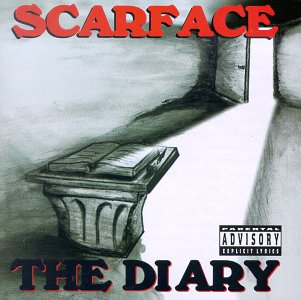
The third album of the southern group Geto Boys frontman is the pride of Houston’s scene and went platinum by late 1994, but it presents interest only as a living depiction of historically faded trends and methods. Nobody makes such straightforward simple beats anymore, nobody tries to terrify listeners with stupid gangster bloodlust or uses generic ‘shit’, ‘bitch’, and ‘mothafucker’ on this scale. However, 3–4 songs, devoid of silly promises to shoot everyone, turn out to be notable social commentary and sober views on miserable life. Groovy bass beats provided by N.O.Joe, who gave the world the wonderful Devin The Dude (he debuts here in choruses), and Mike Dean, who many years later would touch MBDTF, Watch The Throne, and Yeezus with his white clawed paw.
Rappers’ interest in microphone linguistic juggling was starting to fade, but these three delivered another significant dose of this completely faded approach. Current rappers will never perform (in a manner of speaking) ‘mikara-mikara-mikami-karafone’ instead of ‘microphone’, and then it was cool. Group frontman Chip-Fu is generally unmatched and undisputed, with diction and speed of an intergalactic rocket, interesting to listen to with eyes on the text, constantly rewinding back to analyze all ‘corks’. Classic New York beats by DITC offer young MCs the needed foundation, plus there’s Shaquille O’Neal. Back then, rhymes from a basketball player seemed fun, but just listen to what’s up, Doc, with his participation, he trumps half-baked rap stars of today. In 2019, the album looks funny, somewhat outdated, hence very warming.
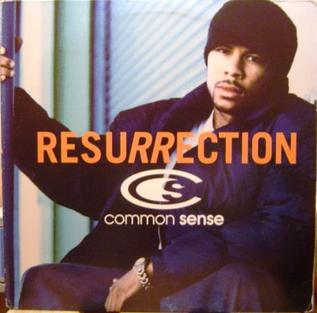
The rapper’s second album, who now goes by Sanity and then known as Common, brought him from Chicago’s locals into the recognized figures of the rap scene. Complete production done by No ID stands as solid sample hip-hop of that time with a good dose of soul. Common is excellent on his field, his positivity and self-digging always sympathetic, his texts always meaningful and purposeful, and one of them is a song about a girl whom Common loved very young, then she went by gangsters and was worn out. By text’s end, it turns out the girl is hip-hop. This song inscribed the rapper in history and made advocates of honest hip-hop talk of him, and thereafter, things went upward for him. From 2019, compared to his later releases, this album appears less thoughtful and more emotional, generally youthful, fresh in the mind, and warm on the heart. Recommended for everyone looking for positivity and personal core in music.
A young orphan and fighter, an absolute street animal Keith Murray feared nothing. So he ended up in Def Squad with Eric Sermon and Redman, so he stuffed his cunning rhymes with maximum syllables and encyclopedic terms place and no, so he released as singles such rumbling underground exhausts that were hard to listen to then (and in 1994 not for everyone either). The result was a beautiful debut in its rawness, another monument to hip-hop for the sake of hip-hop, a raucous and angry scream in eternity. Commercially, Keith Murray was unable to repeat the golden success of his ‘firstborn’ in subsequent years — only in 1994 could such a grimy sound be sold well. Listen to all those whose eyes twitch from girlish choruses and monosyllabic rhymes. Here’s Busta Rhymes‘ beat.
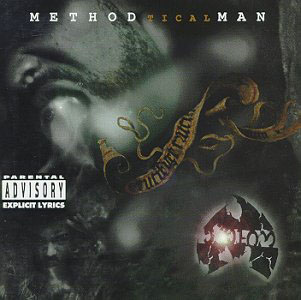
The burden of a perfect album is unbearable for the artist’s shoulders. At the very beginning of his marijuana-soaked career, Method Man, thanks to the omniscient RZA, received his complete style and image, and then tried to modify it somehow throughout life. Compared to Tical, naturally, things didn’t quite work out. Killed throughout musical experiments by the great beatmaker and loose rasping excursions into the mind of an aggressive rap-joker, rhyme-smith by nature — that’s what this excellent debut of lanky Wu-Tang Member is made of. Low hum and subcortical thud of the title song, then basement keyboard and suppressed sampled squeak in Biscuits, a brilliant self-presentation Bring The Pain, tell about the ‘love in the neighborhood’ All I Need, which turned into mega hit I’ll Be There For You — no point listing more, each track deserves an entire evening to talk about. Even in his worst songs, Method Man words like a fiery sword, and here he was simply unstoppable. In 1994, it seemed like another god had arrived on the hip-hop planet, with unparalleled arms and style. Don’t listen to this album, in 2025 it hurts. For those respecting Method Man as one-half of a fun but slightly pop and non-fundamental duo with Redman, this thermonuclear spit can be fatal — the entire subsequent career of the mic samurai may seem funny. Recommended for everyone who wants to get lost in some closed black world and disappear in it.
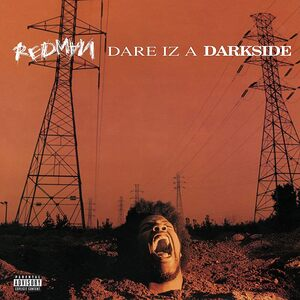
The second album of the funky lunatic from New Jersey turned out unique. First, it’s the only album where Red did most production himself amidst peak form. It’s also the last disc where he was yet playing a serious gangsta persona, slowly incorporating spiteful humor for which the world would love him. The album is mixed with almost no breaks, hits the forehead with a fat funky punch (George Clinton is sampled almost in half the tracks), cracks the speakers with dense basslines, isn’t diluted by female choruses and soft radio beats. Redman disregards line sizes and rhyme strictness, showers the listener with torrents of aggressive metaphors, twists a spliff from battle attacks and weed tales of thugs from New York suburbs. Assisted by Def Squad friends and several crazy imagined alter egos. Past some tracks, the heavy funk nonsensical overloads a bit, one wants to exhale and wipe the forehead. In 1994 this album clearly signaled the emergence of another heavyweight with a fundamental but slightly experimental approach. 25 years on listening to heavy, psychotic Darkside is bizarre — there’s no such hip-hop, no such Redman exists anymore. Love the red plastic CD case and Redman photo, screaming head-deep in the earth on the cover, giant blunt in booklet hand inside. Recommended to funk lovers, non-standard reading styles, and New York underground fans.
Surprised, I realize this golden album is California’s ideal gangsta rap of 1994. At the time, it seemed too murderously text-only driven but perfectly fit extra-aggressive Californians. Yet 25 years later, AmeriKKKa’s Nightmare listens adorably and current little-knownness adds value. It owns a sound of its own — stretched and tearful like rain, the work of producers Blackjack and Ant Banks. Has an incomparable burdensome bloody mood. Host is unique, brilliant on the mic — he chops words into syllables like an enraged butcher, his flow rushing like locust swarm stream. The album is steeped with pleasant California melody, neatly contrasting with aim-focused shots, which for over an hour Spice 1 engages at the mic, often switching to Jamaican English. The album boasts guest appearances meet heads 2Pac, E-40, and unexpectedly Method Man. This release Spice 1 confirmed that previous exemplary album success was no accident, entrenched himself just after backs like Tupac.