Jack Harlow Embraces the Joke as SNL Skit Hits Home
- April 14, 2026
- 0
Rapper Jack Harlow responds with humor as he becomes the subject of an SNL skit, showcasing his resilience amidst album criticism and public perception battles.


Rapper Jack Harlow responds with humor as he becomes the subject of an SNL skit, showcasing his resilience amidst album criticism and public perception battles.
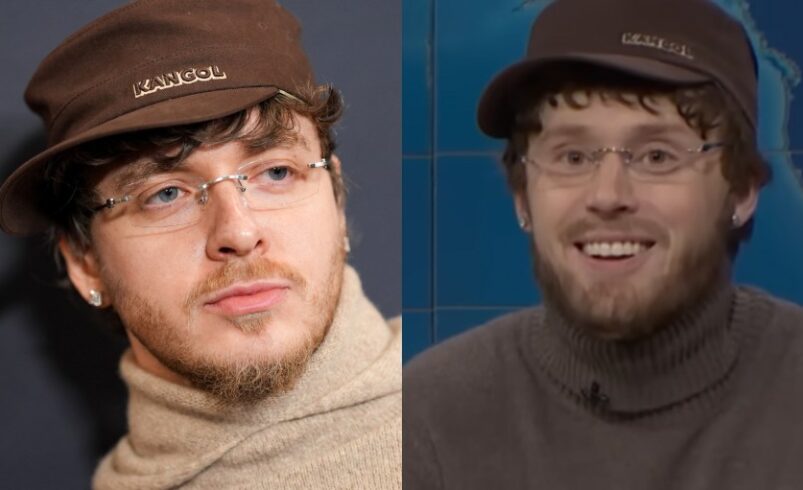
In the fast-paced world of entertainment, where public perception can change with the flip of a tweet, maintaining one’s identity amidst criticism can be a daunting task. For rapper Jack Harlow, finding humor in his own parody is a testament to his resilience—a trait that comedians on Saturday Night Live (SNL) have recently spotlighted in their latest episode.
Last weekend, SNL featured a skit that has found its way into viral stardom, with actor Ben Marshall stepping into Harlow’s shoes during the “Weekend Update” segment. The portrayal was uncanny enough to fool even those closest to Harlow, including his own family. Wearing a look reminiscent of Harlow’s appearance at the Marty Supreme premiere, Marshall’s version of Jack Harlow was both a parody and a reflection of the public criticisms that have swirled around the rapper’s latest endeavors.
Harlow’s recent album, Monica, has been a topic of hot debate. Released earlier this year, the neo-soul-inspired album marked a stylistic shift for the rapper, known for his catchy hooks and mainstream appeal. But as it often goes in the music industry, change can be met with skepticism. Critics branded his efforts as imitative rather than innovative, questioning the authenticity in Harlow’s ‘pivot.’ Adding fuel to the fire were comments Harlow made in an interview with The New York Times’ Popcast, where he described his musical evolution as getting ‘blacker,’ a line that was met with its own deluge of memes and backlash.
Marshall’s act on SNL captured the essence of this internet chatter in a humorous yet piercing fashion, poking fun at the rapper’s attempts to redefine his sound with references to memes like “LL Cool Whip” and “D’Anglo.” It’s clear that SNL did their homework, using the platform to blend satire with reality—it was, after all, believable enough to dupe Harlow’s aunt, who reportedly took the impersonation at face value.
Addressing the skit, Jack Harlow demonstrated that he, too, can enjoy a good laugh at his own expense. Sharing an Instagram story with an image of himself in a bonnet, he not only showcased his sense of humor but also a bit of family comedy. His aunt, convinced of the skit’s authenticity, had texted him, applauding his appearance on national television and his supposed effort to confront public controversies.
In the world of hip hop, critics are never far behind, ready to dissect and discuss every track and lyric. However, it’s how artists respond and adapt to such scrutiny that often leaves a lasting impression. Comparisons can be drawn to other musicians who have faced similar public tests. One can recall Kanye West’s unapologetic persona amidst controversial phases or Kanye’s frequent reinventions, each met with varied degrees of public opinion but buoyed by a conviction in his creative direction.
Ultimately, Jack Harlow’s embrace of humor signals maturity and awareness of his public persona; it’s a nod to a broader understanding that entertainment cannot exist in a vacuum. By joining in on the joke, Harlow may not just be laughing with us, but also ensuring he stays ahead in the ever-shifting game of fame.