
Vince Staples Confronts American Symbolism in Provocative New Single ‘White Flag’
- May 21, 2026
- 0
Vince Staples challenges American symbolism and showcases his creative freedom in 'White Flag,' the latest single from his forthcoming album 'Cry Baby'.


Vince Staples challenges American symbolism and showcases his creative freedom in 'White Flag,' the latest single from his forthcoming album 'Cry Baby'.

In an era where the musical landscape continually shifts, few artists maintain the authenticity and candidness that Vince Staples injects into his work. The Long Beach native once again pushes boundaries with the release of his latest single, “White Flag,” from his forthcoming album, Cry Baby, set to drop on May 21, 2026. This track marks Staples’ profound return to the music scene, post his Def Jam Recordings era, with an audacious message wrapped in intriguing soundscapes.
Vince Staples has built a reputation for his unorthodox approach to music. He defies the norms of traditional hip-hop narratives, constantly evolving his sound and challenging social constructs with his powerful storytelling. His previous works, such as the critically acclaimed albums Big Fish Theory and FM!, showcase his ability to merge introspective lyrics with innovative beats, establishing him as a perennial figure in the hip-hop universe.
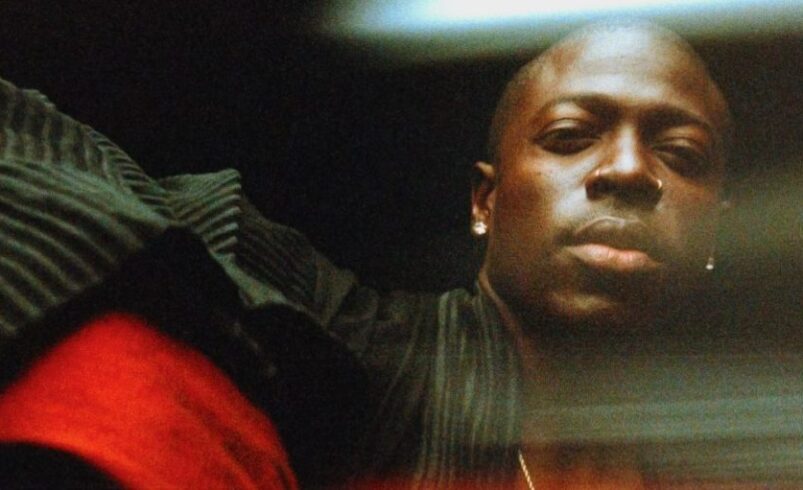
“White Flag,” the second single following “Blackberry Marmalade,” embraces a politically-charged theme, paired with haunting visuals. The song’s video features Vince painting an American flag only to later raise and shoot at a white flag, symbolizing surrender. The gritty and unfiltered message confronts the juxtaposition of national pride and systemic issues that plague the nation. As Vince raps over ethereal live instrumentation complemented by weighty background vocals, he compels listeners to confront these stark realities.
This latest release not only bears the trademark of Staples’ creativity but also marks a significant chapter in his career as he delves deeper into his socio-political consciousness. In recent interviews, Vince emphasized his penchant for exercising creative freedom post his major label run, allowing him to articulate his narrative more freely than ever. Cry Baby is poised to be a project that redefines his artistry, weaving love, conflict, and introspection into its fabric.
Quotable Lyrics: From “White Flag,” lines like “Why they treat me like I’m in a UFO / Cuffed me in the backseat so I can’t phone home / How does it feel to be all alone? / Quite familiar, Freeway Roc La familia,” reflect Vince’s continuous scrutiny of societal norms and personal disillusionment. Such bars function as open-ended narratives, inviting listeners to ponder their own roles within the frameworks that society imposes.
The song’s complex production, characterized by dreamy live instrumentation, sets it apart from many contemporary tracks which often lean heavily on digital synths and sampled beats. This approach not only highlights Staples’ range as an artist but also his commitment to creating a sound that defies categories.
Vince’s evolution mirrors similar trajectories seen in the careers of other artists who have ‘gone indie’ to reclaim their narrative. Artists like Frank Ocean and Chance the Rapper have harnessed the power of independent artistry to exert unprecedented creative control, producing work that is unmarred by commercial constraints.
As “White Flag” continues to resonate within the cultural zeitgeist, it stands as a testament to the evolving nature of hip-hop. Vince Staples reminds us that the genre is not merely a space for entertainment but a powerful platform for dialogue and reflection. His ability to challenge social norms while crafting infectious tracks reaffirms his status as both a musical innovator and a cultural commentator.