Did Drake’s Snippet Drop Overshadow J. Cole’s Album Release?
- February 24, 2026
- 0
Drake's snippet leak via DJ Akademiks stirred controversy for its timing, coinciding with J. Cole's album release. Was it strategic or coincidental?


Drake's snippet leak via DJ Akademiks stirred controversy for its timing, coinciding with J. Cole's album release. Was it strategic or coincidental?
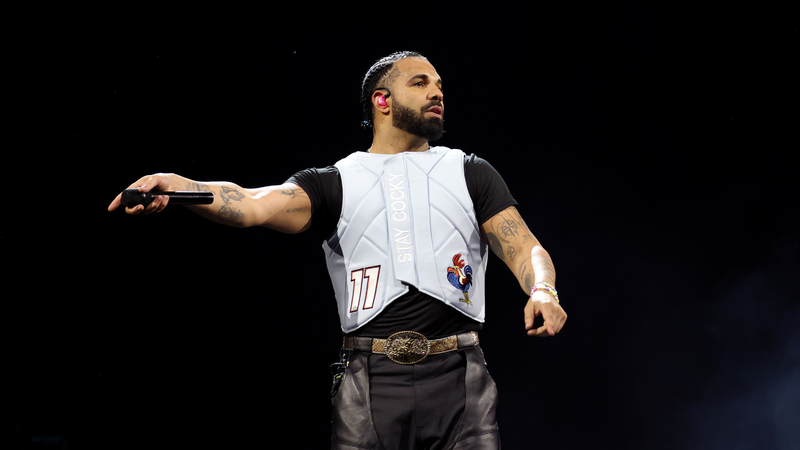
In a world that thrives on spectacle, the release of a music snippet isn’t just a casual event. When DJ Akademiks leaked a snippet from Drake’s upcoming album just hours before the release of J. Cole’s long-awaited album, The Fall-Off, it was akin to a wildfire in the hip-hop community. This strategic musical chess match ensued in questions of intention and the continual narrative about rivalry and respect in the industry.
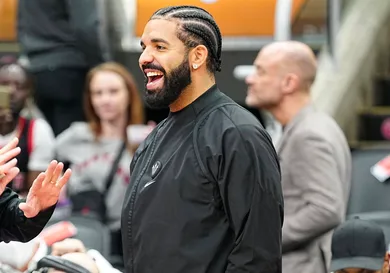
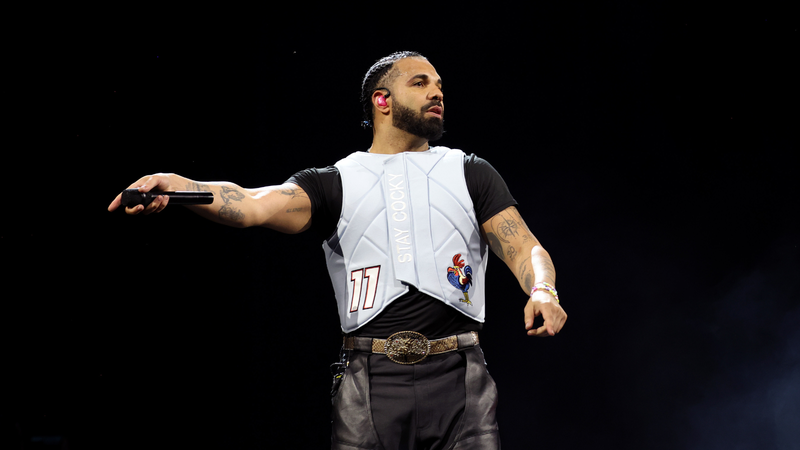
Drake, known for his lyrical prowess and a penchant for stirring the pot, was at the center of this latest uproar. With the rumored title of his next solo project set to be Iceman, the Toronto native’s camp remains tight-lipped about an official drop date. Yet, the very act of teasing new music is enough to set the internet ablaze, thanks in part to Akademiks’ timely sharing of the snippet.
Here’s where it gets interesting: this snippet includes Drake’s characteristic confidence and veiled zingers, lines that leave listeners speculating about the targets of his lyrical shots. However, it was the snippet’s timing — eclipsing, perhaps even undermining, another heavyweight’s moment — that struck a nerve with fans and critics alike.
J. Cole is no stranger to the public’s adoration and critique. His album The Fall-Off was a highly anticipated release, his first since 2021’s Off-Season. With meticulous production and thoughtful bars, Cole has nurtured a dedicated following that values his introspective storytelling. In such a context, any act perceived as overshadowing this moment is enough to stir the collective ire of the hip-hop community.
The Twitterverse erupted with accusations aimed at Drake, questioning his motives and timing. “Drake is such a weirdo for sending that snippet to Akademiks when Cole’s album was about to drop,” one fan lamented. To loyal J. Cole fans, it appeared a deliberate attempt to steal Cole’s thunder—a new chapter in what they perceive as an ongoing rivalry.
DJ Akademiks was quick to clarify his intentions, asserting that he shared the snippet independently after it came into his possession days before. As a content creator and media personality, Akademiks insisted it was his duty to unveil the snippet to the public. He maintained, “I made that call. I had this snippet for about four days. How I got it, I won’t mention,” in defense of his release timing on his live stream.
Drake’s track record in the industry exhibits finely calculated moves. Therefore, the accidental timing of a leak seems too opportune to be merely coincidence. Yet, if Akademiks’ claims hold true — that the leak didn’t come from Drake himself — this places the onus back on the cycle of media sensationalism and timing.
Consider, for a moment, past paradigm shifts in hip-hop’s competitive landscape. Taking us back, who can forget the tension-filled timelines during the release clashes between Kanye West and 50 Cent? An era where album sales were the battlefield, paving the way for how today’s digital snippets contribute to rivalries.
Perhaps what’s most telling about this scenario is less about competition and more about the evolving landscape of music promotion. The rapid-fire format in which content is released today amplifies artists’ influence and reach, yet it also breeds conflict. The practice of dropping music back-to-back, intentionally or not, keeps audiences engaged in a constant stream of anticipation.
As Drake readies himself for the release of Iceman, following his 2023 album For All The Dogs, and J. Cole delights in the reception of The Fall-Off, the question is less about who’s right or wrong and more about what’s next. Whether or not these moves were intentional, they undoubtedly fuel the conversation around both icons and keep their audiences waiting – because, in the end, isn’t that what it’s all about?