Hip-Hop on Trial: A Deep Dive into the Genre’s Most Notorious Legal Battles
- February 22, 2026
- 0
Explore hip-hop's turbulent history with the legal system, featuring landmark trials of iconic artists—and the ongoing cultural and social implications.


Explore hip-hop's turbulent history with the legal system, featuring landmark trials of iconic artists—and the ongoing cultural and social implications.
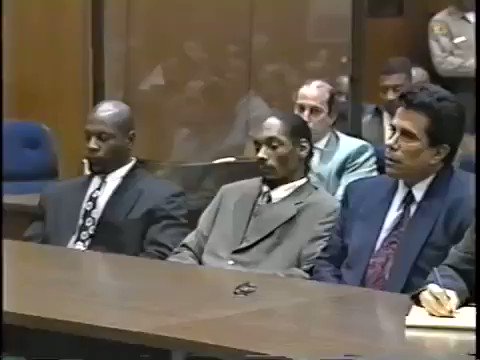
Hip-hop, from its nascent beginnings in block parties to its pervasive influence today, has walked a path fraught with legal trials. The industry isn’t just defined by beats and lyrics; it’s also been shaped by courthouses and jail cells.
From the 1980s through today, iconic hip-hop figures have clashed with the justice system, their cases often becoming cultural phenomena that transcend simple legal proceedings.
On February 20, 1996, Snoop Dogg was acquitted of murder charges, marking a turning point for the rapper and the industry’s view on legal battles. High-profile cases like his illustrated the stark intersection of fame, art, and legality.
The courtroom served as a stage where his life was held in balance, dramatically impacting his career and public perception. Snoop’s case highlighted the scrutiny of gangsta rap, igniting debates on free expression versus perceived criminal behavior.
Hip-hop’s narrative has been marked by its artists’ brushes with the law, often stemming from their lyrics or personal lives. Authorities have treated lyrics as potential confessions, an approach that artists and fans see as an infringement on creative liberty.
In the 1990s, hip-hop trials grasped national attention—headlines blaring with accusations of conspiracy, assault, and murder. This era was a litmus test for hip-hop’s mainstream acceptance and its right to exist as a cultural force.
Live-streamed trials and the internet’s reach have allowed today’s audience to engage with these legal spectacles like never before, turning public opinion into a significant element of judicial proceedings.
The charges and convictions of artists like Remy Ma and C-Murder are more than just individual stories—they represent broader dialogues about race, fame, and justice in America.
Steady B and Cool C‘s careers offer a cautionary tale of talent overshadowed by crime, altering their legacies and, by extension, their impact on hip-hop culture.
Lyrically poignant, socially conscious figures like Tupac Shakur have left an indelible mark on hip-hop. His legal troubles further endeared him to fans who saw his struggles as emblematic of his lived reality and the stories he told through his music.
When Murder Inc.’s Irv Gotti faced charges of money laundering, it demonstrated how legal woes could decimate a powerhouse label’s stranglehold on the charts. Despite their eventual acquittals, the damage to the label’s image was irreversible.
Hip-hop artists are often caught in the crossfire between artistic expression and societal expectations, with their legal battles turning into public trials about free speech and artistic integrity.
As the justice system continues to target hip-hop figures, artists must navigate a landscape where their creativity is both their greatest weapon and their Achilles’ heel.
The courtroom dramas that enveloped some of hip-hop’s top stars have sparked widespread debate about the validity of using lyrics as evidence. These trials are more than sensational stories; they represent a significant battleground for artistic expression.