J. Cole Critiques the Streaming Era’s Impact on Hip-Hop
- March 31, 2026
- 0
J. Cole critiques the streaming era's impact on hip-hop, noting how accessible music devalues the art and affects genuine listener engagement.


J. Cole critiques the streaming era's impact on hip-hop, noting how accessible music devalues the art and affects genuine listener engagement.
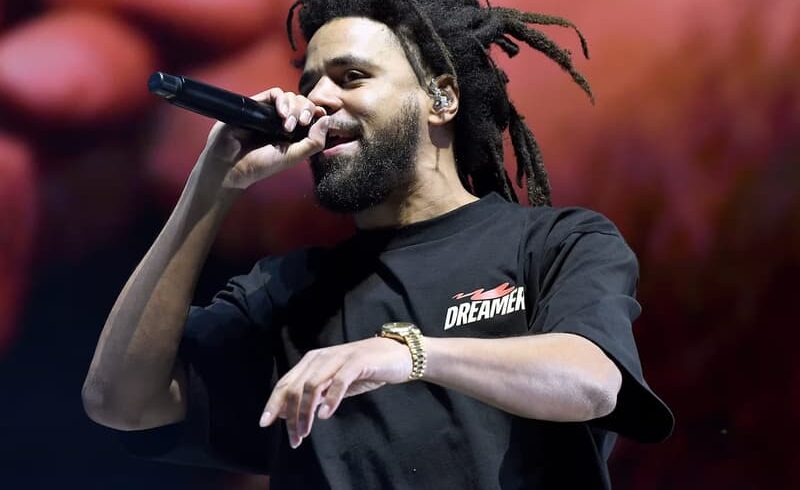
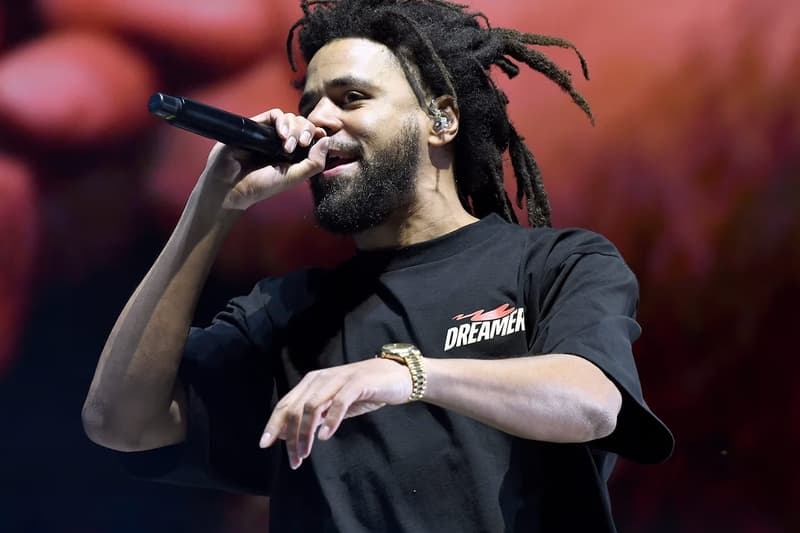
The digital age has revolutionized the way we consume music, but not everyone is convinced it’s been a change for the better. J. Cole, the lyrical heavyweight of hip-hop, has sparked a conversation with his latest critique of the streaming culture permeating the industry. He suggests that the removal of traditional barriers to music consumption has led to a troubling devaluation of the art form.
During a recent appearance on the Lost In Vegas podcast, J. Cole expressed indifference about the ease with which fans can access music today. His concern goes beyond just the accessibility; it’s also about the lack of genuine engagement he’s witnessing. According to Cole, the streaming age encourages a culture where people listen to albums not out of interest or appreciation, but merely to join an online dialogue.
“An album drops. A conversation happens,” he said. “You don’t even give a f*** about this artist. You never loved this artist, you don’t even really care about this genre, you’re not educated in the space, you just see a conversation happening, and you want to be a part of the conversation.”
These remarks highlight a broader issue within the music industry: the commodification of music consumption where listeners are more interested in being part of the trending topic rather than appreciating the craft. J. Cole’s observations bring to light the transactional nature streaming platforms have fostered—instant access has led to instant opinions without enduring investment.
Cole followed with a comparison to the days of physical album purchases, arguing that there was a more substantial commitment when fans had to spend their hard-earned money on CDs. “If I didn’t like an album when I bought that sh*t on CD,” Cole reminisced, “guess what? I got the right to not like this b*tch because I spent $15.99.”
His sentiments resonate with many who recall a time when owning an album meant something personal and valuable. Each purchase was a considered decision, a carefully chosen addition to one’s collection. It wasn’t just about the music but the story behind the acquisition, the anticipation of the release, and the act of unwrapping a CD—a ritual lost in today’s click-and-stream culture.
This isn’t the first time J. Cole has been vocal about his views on the music industry’s rapid transformation. His comments come on the heels of releasing his seventh studio album, The Fall-Off, which dropped last month. As he prepares for a world tour to promote the album, his concerns about the state of hip-hop in the digital realm add another layer of depth to his storytelling and artistry.
J. Cole’s statements may seem like a nostalgic glance backward, but they provide a critical lens on how music is valued in the contemporary landscape. Are streams a worthy substitute for the tangible relationship between an artist and their listeners or merely a fleeting interaction?
The friction between technology and tradition isn’t unique to hip-hop. Still, as one of the most culturally significant and commercially influential genres globally, the debate on streaming’s impact in hip-hop holds significant weight. It challenges both artists and listeners to reconsider their roles in the ecosystem, urging a shift from passive consumption to active appreciation.
Streaming has undeniably democratized music access, offering opportunities and visibility for countless artists. Yet, as J. Cole asserts, there’s an essential component missing if that accessibility comes without appreciation. As the industry continues to evolve, dialogues like these are vital in ensuring that art, especially as potent as hip-hop, maintains its relevance and integrity.