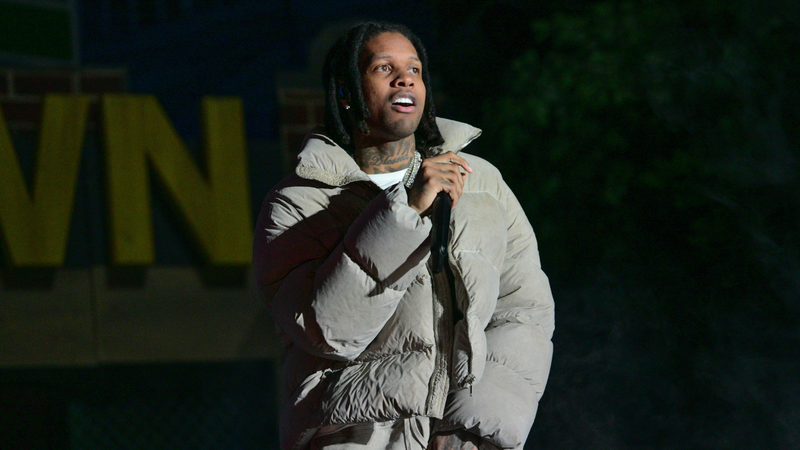
In the ever-evolving chronicles of hip-hop dramas and triumphs, Lil Durk’s recent release from solitary confinement signals a poignant turn in his ongoing legal battles. The Chicago rapper, steeped in controversy and acclaim, finds himself navigating a labyrinthine justice system while maintaining relevance as an artist.
For five torturous months, Durk endured the isolating confines of solitary in the Los Angeles Metropolitan Detention Center. While the rapper is no stranger to adversity, this marks a particularly grueling chapter in his saga. His transition back to the general prison population offers a glimmer of hope amid his troubled circumstances.
Since his arrest in October 2024 on charges related to a murder-for-hire conspiracy, Lil Durk’s legal troubles have been at the forefront of hip-hop news feeds. He and his associates stand accused of orchestrating the vengeance-fueled murder of Lul Pab, a tragic event tied to the violent ripple effects of King Von’s death. The intricate crime web, peppered with allegations of revenge and conspiracy, paints a somber picture underscored by years-long feuds.
Durk’s time in isolation stemmed from a seemingly innocuous violation—possession of an Apple Watch, akin to lifelines in a sea of brick walls. The digital tether, although a breach of prison norms, underscores the rapper’s desperate yearning to connect beyond the barriers of incarceration.
Set amidst this chaotic backdrop is the anticipation of Durk’s trial, now postponed until May. The delay, framed by prosecutorial filing as necessitated by the complexity and breadth of the case, posits a multifaceted challenge. Multiple defendants, intricate legal arguments, and the volatile landscape of crime within the hip-hop community contribute to the deferral, invoking both frustration and strategic recalibration in Durk’s defense camp.
Denied bail despite substantial offers, the rapper’s predicament echoes broader societal conversations about justice, celebrity, and accountability. The systemic hindrances and stringent bail rejections cast light on the judicial disparities faced by black artists, even those buoyed by fame.
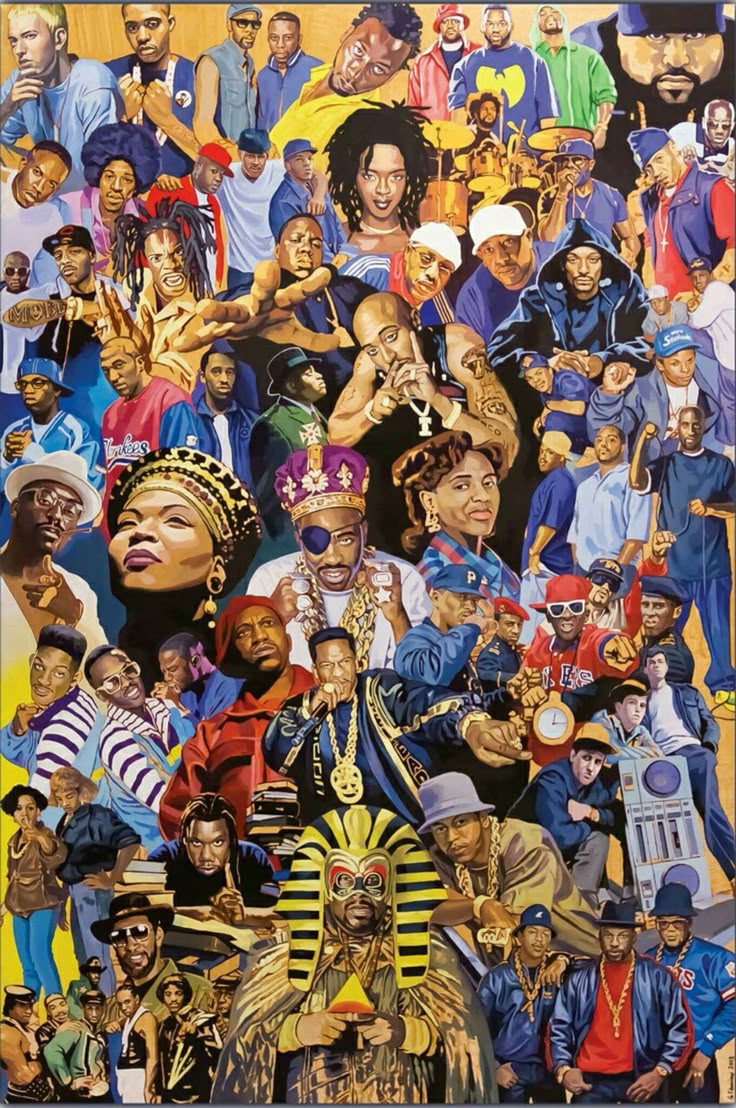
Looking at historical precedents, parallels can be drawn to other artists in the throes of legal confrontations—from Tupac to Meek Mill—each charting unique courses through the tumultuous waters of the justice system. These narratives not only underscore resilience but also the profound impacts of legal entanglements on artists’ careers and mental health.
As Lil Durk prepares for his May trial, his journey presents an arresting inquiry into the entwinement of music, notoriety, and the relentless grip of the law. The release from solitary might be a minor relief amidst major distress, yet it also reaffirms an undeniable reality: the crossroads between Durk’s freedom and legacy is fraught with peril and promise.