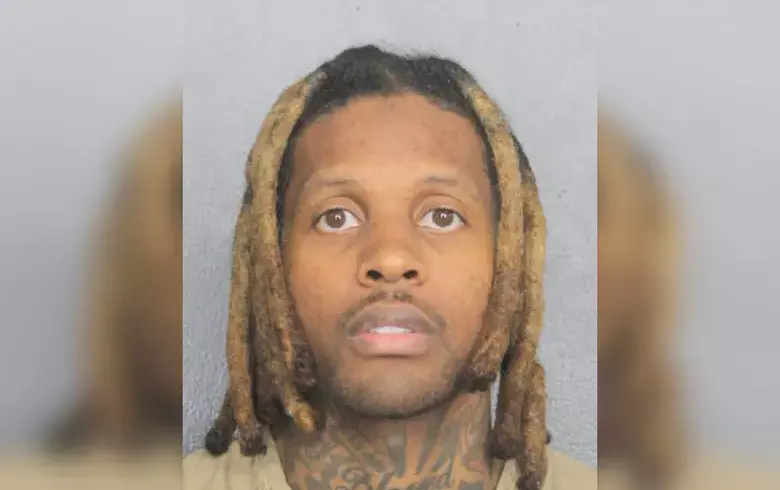
In the labyrinthine world of hip hop, where every move is both scrutinized and sensationalized, Lil Durk stands as a figure whose life outside the studio often reads like a thriller novel. Recently, the Chicago rapper made headlines, not for his chart-topping music, but for stepping out of solitary confinement after a grueling five months.
Durk’s detour into isolation came after he was discovered with an Apple Watch within the confines of the Los Angeles Metropolitan Detention Center, a high-profile facility where he has been housed since his arrest in October 2024. The watch, contraband in the detention facility, allegedly allowed him to maintain contact with the outside world, violating prison regulations.
For those unfamiliar with the life of Lil Durk, born Durk Derrick Banks, it is a saga filled with both extraordinary musical success and a turbulent history of legal troubles. Emerging from the streets of Chicago, Durk quickly became a voice for the voiceless, channeling his struggles and triumphs into verses that resonated with millions. Hits like “All My Life” not only catapulted him to the forefront of America’s rap scene but also solidified his reputation as a beacon of street-wise wisdom.
Yet, Durk’s narrative is not solely defined by musical accomplishments. In late 2024, he found himself and five associates embroiled in a legal quagmire linked to the high-profile murder-for-hire case of Lul Pab, cousin to rapper Quando Rondo. The 2022 homicide, which prosecutors allege was a retaliatory act for the killing of fellow rapper King Von in 2020, has cast a long shadow over Lil Durk’s career.
The complexities of the case are manifold and have required the intricacies of a high-stakes chess game. Initially scheduled for January, the trial has now been postponed to May 2026, with the court acknowledging its unusual complexity due to the multiple defendants and the nature of the allegations.
Among the many wrinkles of this case are Durk’s repeated attempts to negotiate bail, all denied despite the size of the proposed bond packages, including a $4.5 million offer aimed at gaining his release as the court proceedings loom. The narrative being crafted suggests a system unable or unwilling to accommodate his celebrity status in these proceedings.
While Durk’s saga has caught the public’s gaze, it echoes a familiar pattern within hip hop. Artists like T.I. and Bobby Shmurda have similarly juggled their craft alongside legal entanglements, reflecting both the perils and pressures of life in the spotlight. However, as with these predecessors, Durk’s future — a blend of potential redemption or continued tribulation — remains uncertain, proving once again that life imitates art in the hip hop sphere.
The looming trial raises significant questions — both within the realm of law and society at large. How do figures like Durk navigate the disparate worlds of fame and legality? Can an artist’s immense influence and wealth alter their trajectory within the justice system, or does it stand as an immutable force against celebrity?
Lil Durk’s release from solitary, while a momentary relief in a complex narrative, represents a mere pause in his ongoing trial by fire. As he prepares for the legal battle ahead, one can only speculate if his future verses will reflect a triumphant return to freedom, or the stark introspection of further confinement. Whatever the outcome, Durk remains an indelible component of both hip hop’s cultural tapestry and its ongoing dialogue around the interplay between art, life, and accountability.