The Hip Hop Divide: 21 Savage’s Battle Over Street Loyalities
- January 26, 2026
- 0
21 Savage sparks a debate on street credibility and trauma in hip hop, clashing with Fivio Foreign. The feud reflects generational shifts within the genre.


21 Savage sparks a debate on street credibility and trauma in hip hop, clashing with Fivio Foreign. The feud reflects generational shifts within the genre.
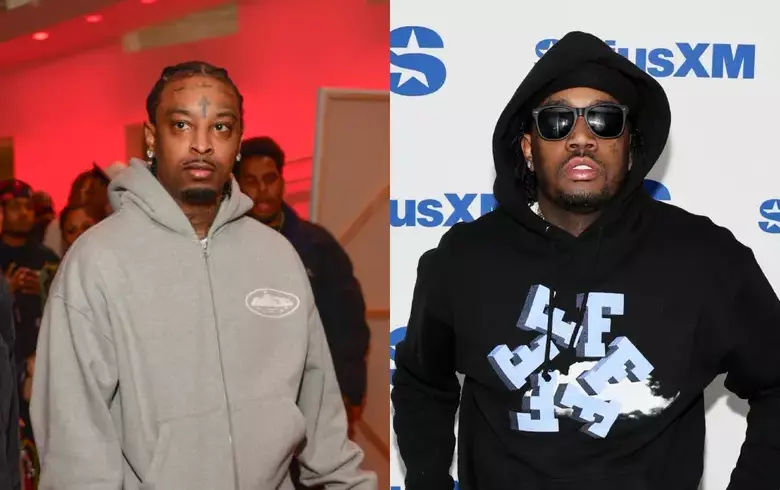
The age-old debate of street loyalty versus personal evolution takes center stage once more as two of hip hop’s prominent voices, 21 Savage and Fivio Foreign, find themselves embroiled in a public spat. Much more than a clash of egos, this confrontation marks a generational shift in hip hop culture, prompting fresh questions about the relevance of the ‘streets’ in contemporary rap.
It all ignited with 21 Savage’s bold assertion: ‘F**k the streets.’ This declaration wasn’t just a reckless soundbite but a philosophical stance unveiled during his WHAT HAPPENED TO THE STREETS? exhibition in Atlanta. Herein lies the core of Savage’s evolution, a Grammy-winning artist who, while understanding his gritty roots, chooses to advocate for a reality where street trauma doesn’t govern one’s life choices.
Savage’s position found supporters among peers like G Herbo and Meek Mill, who, perhaps themselves grappling with the dichotomy of past hardships and newfound success, echoed his sentiments. Yet, the road to any social change is rocky, and opposing views were anticipated.
Fivio Foreign, known for his hard-hitting Brooklyn drill sound, publicly questioned Savage’s street credibility on DJ Akademiks’ “Off The Record” podcast. The ripple effects were inevitable. 21 Savage responded fiercely on Instagram Live, deriding those questioning his authenticity and dismissing them as clout seekers looking to latch onto his burgeoning stardom.
This feud reflects a broader conversation in hip hop: Is there room for a new narrative where street origins are not the sole credential of artistic legitimacy? Fivio’s defense of the ‘streets’ underscores a traditional expectation held in the genre, that credibility derives from one’s adherence to street codes and personas. On the flip side, Savage’s stance suggests that emotional and psychological growth require releasing oneself from the damaging cycles that streets perpetuate.
Instagram’s viral nature provided a further platform for this debate. Fivio retaliated using his Instagram Stories, insisting there would be no further dialogue. His words were sharper, choosing to question Savage’s message by doubling down on street allegiance instead of engaging with his broader intent.
21 Savage’s views on distancing oneself from street trauma feed into a larger societal conversation around mental health, personal growth, and authentic expressions in hip hop. At its core, it challenges an industry steeped in tales of hardship and survival to look beyond narratives that no longer serve its thriving community.
21 Savage discusses his ‘F**k the streets’ movement, challenging cultural norms within hip hop.
The undercurrent of Savage versus Fivio may stem from the trails blazed by veterans like Jay-Z, who have transitioned from street corner tales to boardroom influences. While Savage finds himself contending with critics, his narrative hints that the adherence to street authenticity may no longer be the definition of success it once was.
Even as the discourse rages on, the conversation signals a critical juncture in hip hop—a challenge for artists to embrace or reject the complex dance between past identities and future legacies. In shifting from tales of street survival to nuanced discussions on trauma and transformation, artists like 21 Savage are gradually rewriting the hip hop playbook for a new generation.