What is rap music?: How newspapers wrote about hip-hop in the 80s
- October 12, 2025
- 0
The article provides a collection of excerpts from various newspapers from the 1980s that discuss the emergence and evolution of rap music.


The article provides a collection of excerpts from various newspapers from the 1980s that discuss the emergence and evolution of rap music.

We came across an amusing selection of old newspapers discussing this “rhythmic read-along music” of yours. Check out the cautiousness with which newspapers treated the new music, and how their attitude toward it evolved—from poems to music to a national phenomenon.
Although rap is called music, it is rhythmic poetry, not tunes over a dance rhythm.
“News of Paris” (August 30, 1981)
Comedian Mel Brooks also got into the widespread craze for rap (rhythmic monologue to music) and will record his own rap.
The Salina Journal (December 6, 1981)
“The Message,” a 7-minute single by Grandmaster Flash and the Furious Five released on the Sugar Hill label, is, in modern terms, a rap record. Instead of singing, it focuses on rhythmic recitation or chanting.
New York Times (September 3, 1982)
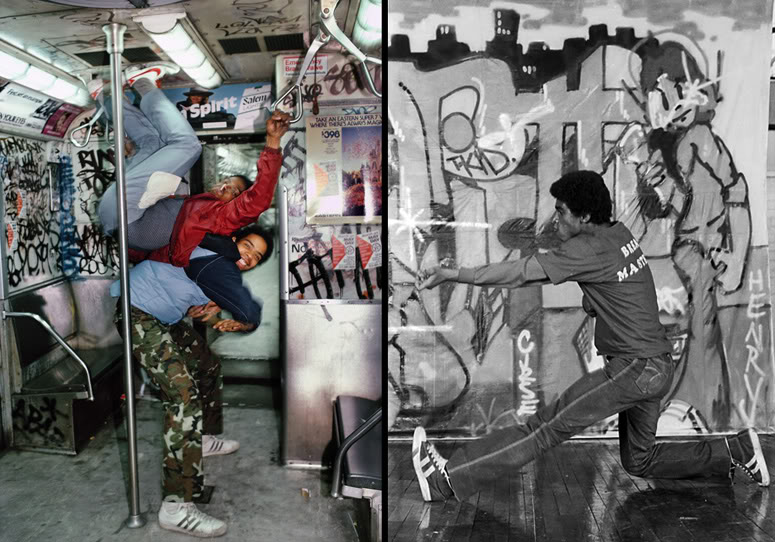
Breakdancing appeared in addition to rap, rhythmic text reading over a heavy beat. Rap music emerged when DJs started talking into microphones over instrumental breaks in the songs they played in clubs.
New York Times (October 18, 1983)
In its original form, rap music without musical instruments is simply a street conversation adorned with rhyme. They essentially speak a song, and the themes of the lyrics most often revolve around girls, money, and male ego.
The Evening Independent (June 8, 1984)
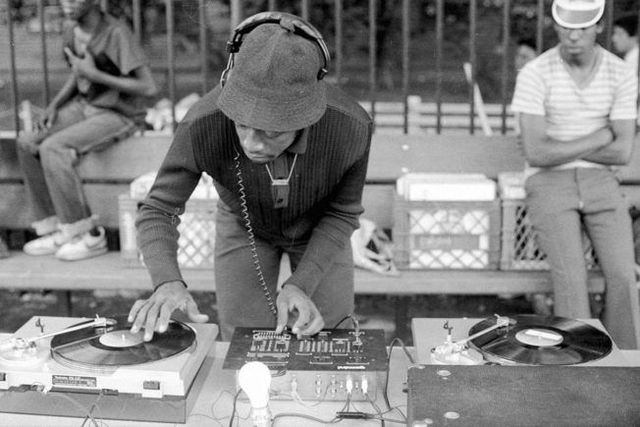
Rap music found its niche in Ottawa, where young DJs, dancers, and MCs gather in the central park, not disturbing others. This rhythmic recitation with a powerful beat came to us from street dancers in Chicago and New York, and now every Saturday you can hear it in Confederation Park, near the National Arts Centre.
Ottawa Citizen (August 30, 1985)
Rap music, which came from the streets of Baltimore, Washington, and especially New York, has become a national phenomenon. The sound is achieved through rhythms and punches, and meaning is added to this music by the DJ, who reads over the music he plays on his turntables.
The Palm Beach Post (August 15, 1986)
Disco Fever (a New York nightclub) has become the headquarters of rap music, which you could previously hear only on the street. Rappers transform street slang into rhymed verses. Words here are spoken (rapped) rather than sung over a strong beat, and the themes of the lyrics are unemployment and birth control.