Stefon Diggs’ Defamation Lawsuit: The Intersection of Fame and Online Allegations
November 17, 2025
0
Stefon Diggs' defamation lawsuit against influencer Christopher Blake Griffith highlights the risks public figures face with online allegations and misinformation.
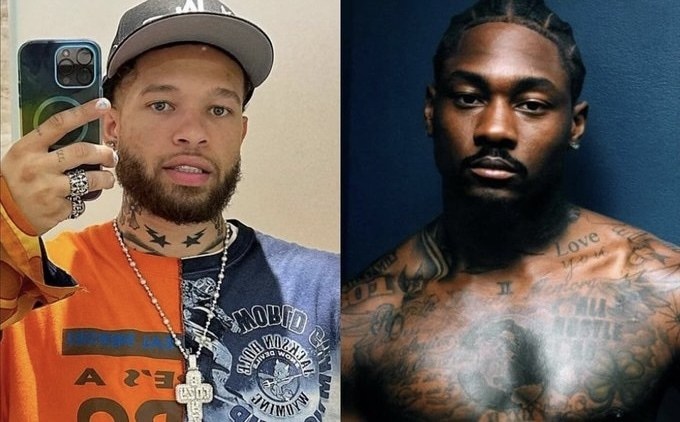
In the digital age, where social media opinions can snowball into controversies, public figures regularly find themselves at the intersection of fame and fabricated allegations. The latest example involves NFL star Stefon Diggs. The wide receiver has taken legal action against social media influencer Christopher Blake Griffith, alleging defamation over serious accusations shared online.
On October 1, Stefon Diggs filed a lawsuit in Maryland federal court, accusing Griffith of intentionally defaming him with fabricated claims of sexual assault and a murder-conspiracy plot based on an event at Diggs’ Rockville home in May 2023. According to court documents, these allegations arose over two years later, during summer 2025, when Griffith reportedly took to social media to claim that Diggs had “drugged and sexually assaulted” him.
The narrative supposedly stems from a night following a charity basketball game where Diggs hosted a group of influencers at his Maryland residence, which ended at a nightclub before heading back to his place. Diggs contends that, after heading to bed, Griffith was asked by his assistant to leave. The allegations that surfaced online suggest that this encounter supposedly led to a cover-up involving physical harm to protect Diggs’ personal secrets—an accusation Diggs’ legal team deems entirely unfounded and purely attention-seeking.
These claims gained traction online, particularly as Griffith tagged the NFL, the New England Patriots, and Uggs—brands connected to Diggs—in his posts, aiming for viral impact. This virality underscores the modern hazards of social media, where unverified claims can quickly become public conversation, potentially damaging reputations and professional relationships.
For Diggs, whose professional career has taken him from the Minnesota Vikings to the Buffalo Bills, and more recently the New England Patriots, the possible impacts of these allegations are significant. Not only do they threaten his reputation in the tightly-knit world of the NFL, but they also jeopardize his endorsement deals, crucial components of an athlete’s livelihood outside of their sporting career.
Griffith’s legal representation, Jake Lebowitz, has signaled their intent to counter these allegations in court, labeling Stevens’ narrative as one crafted by “high-priced New York Lawyers,” while asserting Griffith as the genuine victim. In a world where truth and narrative compete, this saga illustrates the challenging climate celebrities navigate where every action is under public scrutiny.
This case shines a light on a broader dialectic unfolding across today’s interconnected landscapes: how digital platforms are weaponized both as a means of engagement and as arsenals for public accusation. It follows recent instances where public figures, from musicians to athletes, have wrestled with the fallout of similar social media storms.
To date, defamation suits of public figures, including artists and athletes, have hinged not only on the falsity of claims but also on demonstrating malicious intent or reckless disregard for the truth. The outcomes of Diggs’ lawsuit may set further benchmarks in how such cases are viewed, particularly with increasing pressure on tech platforms to mitigate online abuse and misinformation.
Stefon Diggs’ legal journey in defending his personal and professional image is underway. While the courts will navigate the specifics of the case, the broader discourse about responsibility and accountability online continues. Athletes and influencers alike are reminded that the digital arena can bolster their careers or just as swiftly unravel them.